Femmes de Sel - Women of Salt
There is no kitchen in the world without salt. Whatever the country, it is there in every dish: unseen, unnoticed, and yet without it nothing has flavour.
Migrant domestic workers in Lebanon hold a similar place. Under the kafala system, they keep households running while remaining largely invisible. Their labour is essential and rarely recognised. Femmes de Sel takes its name from that paradox, and from everything else salt carries. In Lebanon, people who have shared bread and salt are said to be bound like family. The word salary itself comes from the Latin for salt, a reminder that work has worth and deserves to be paid fairly.
A Sunday at Femmes de Sel
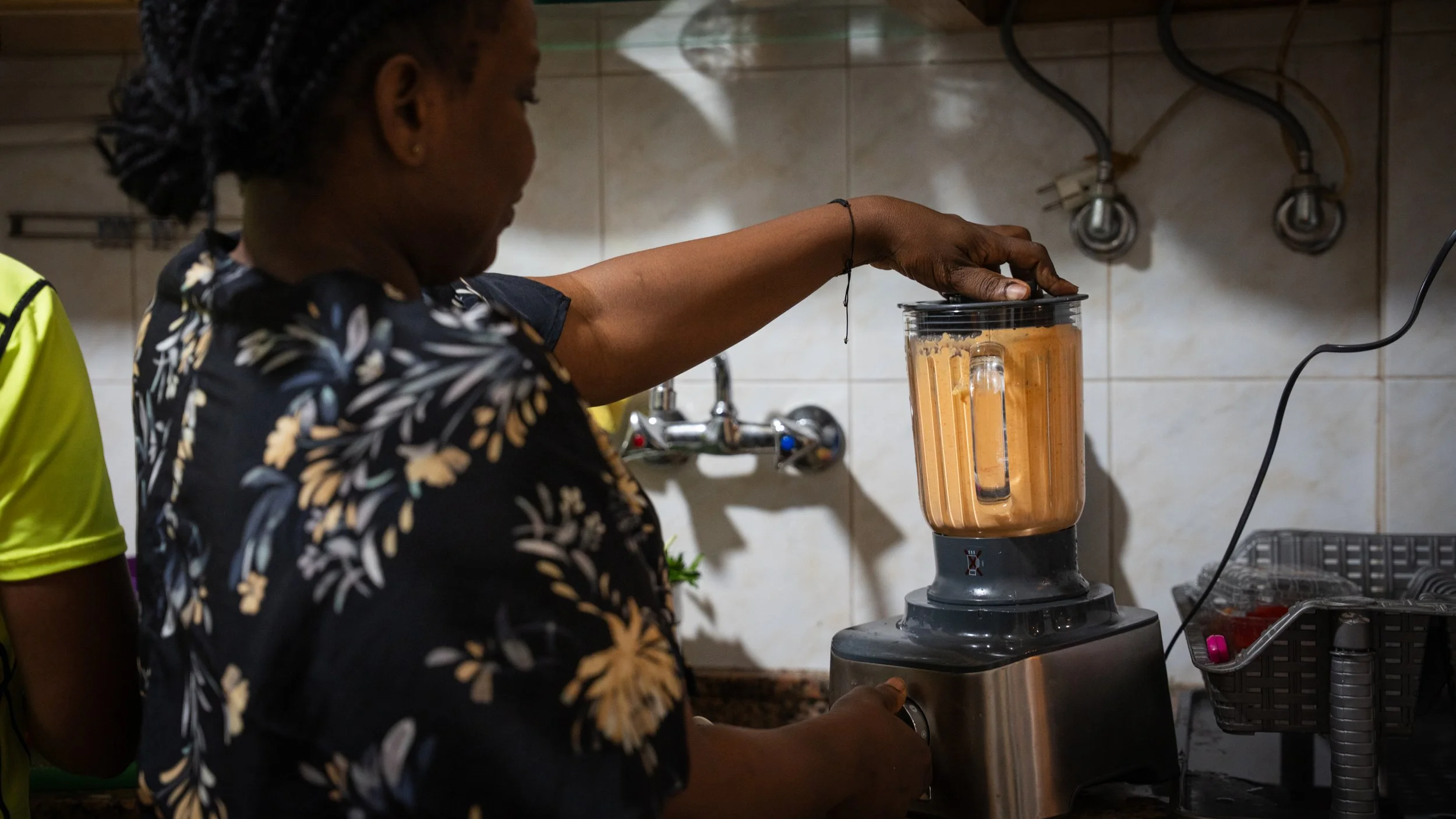
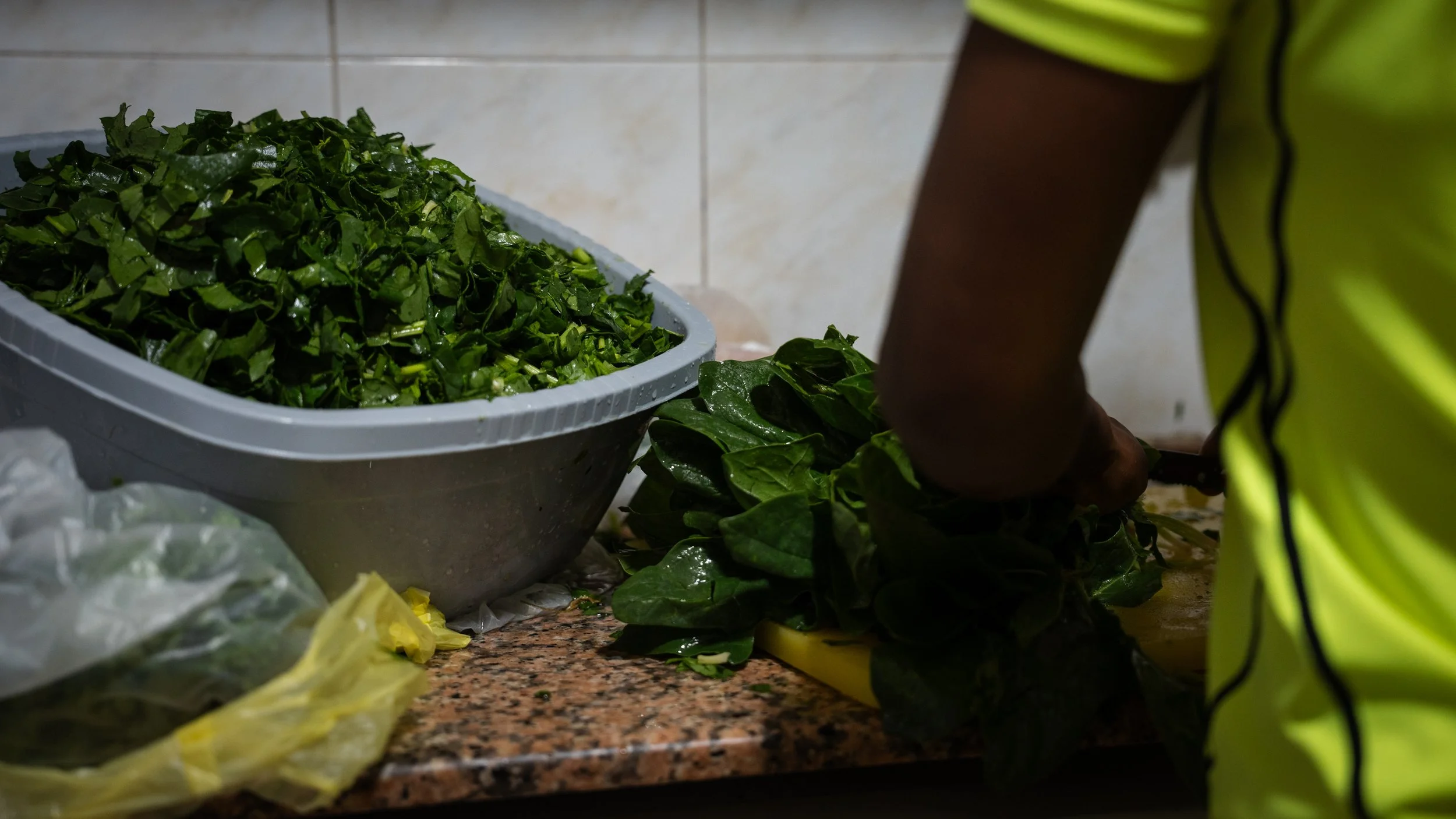
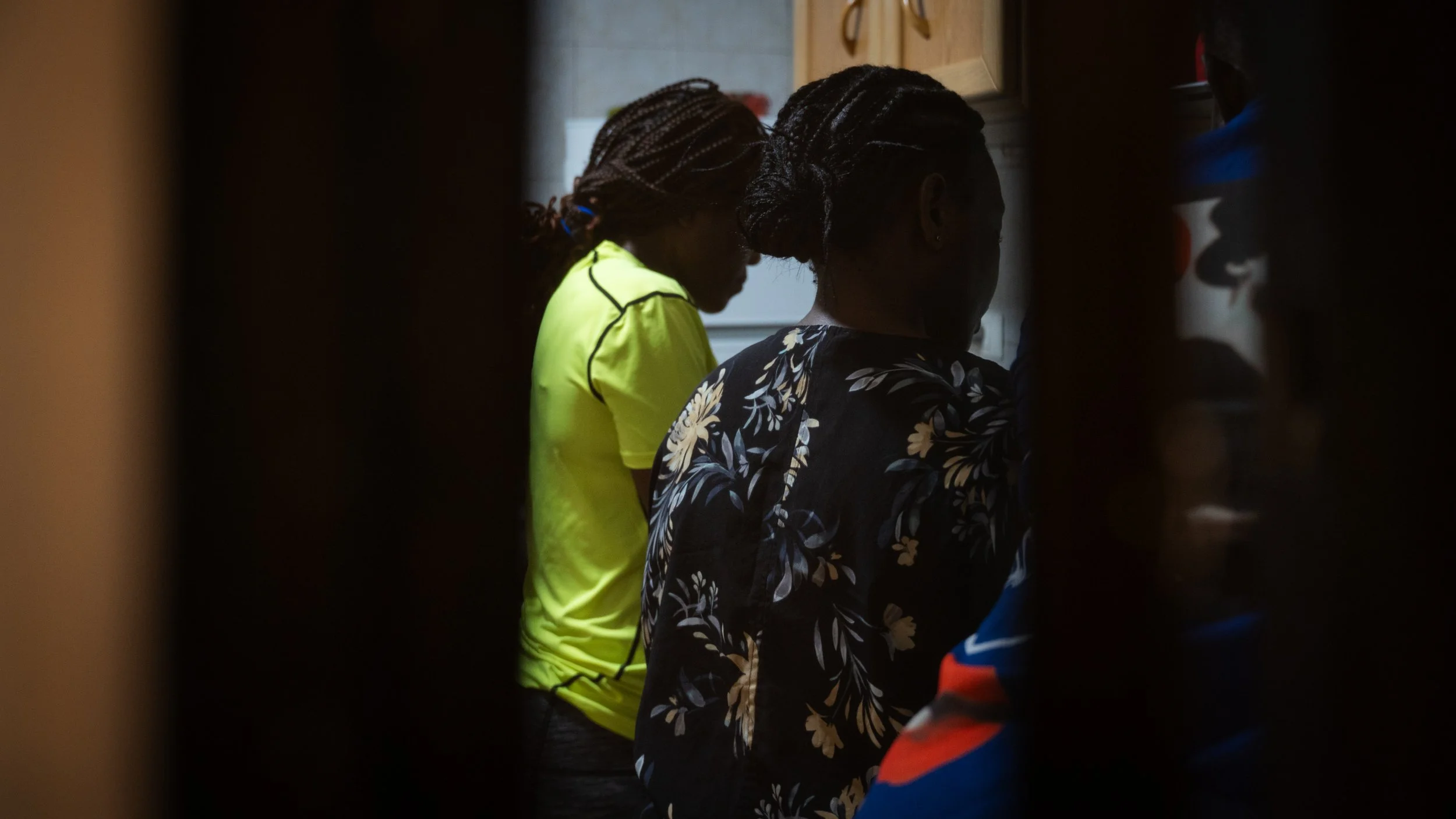
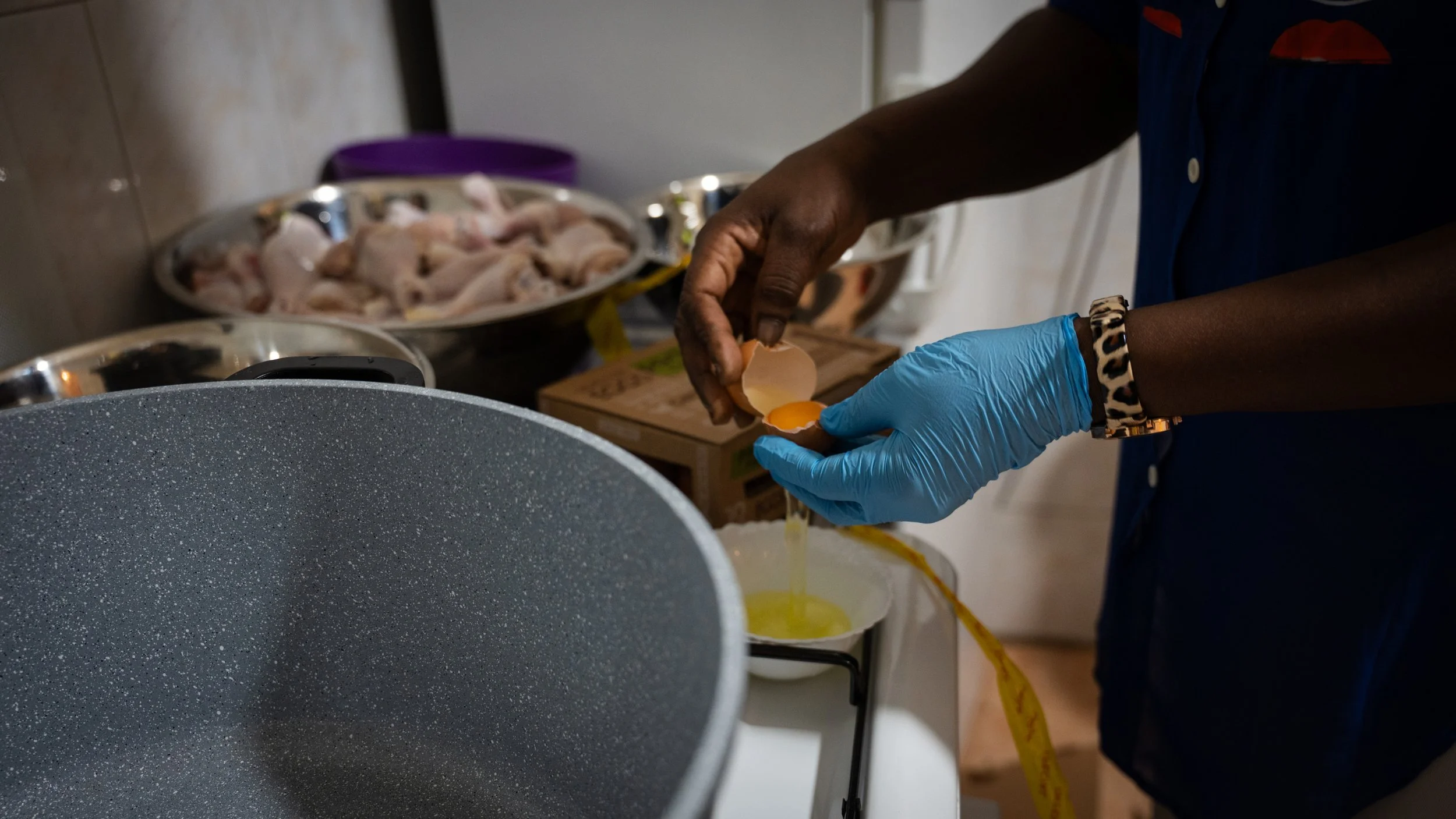
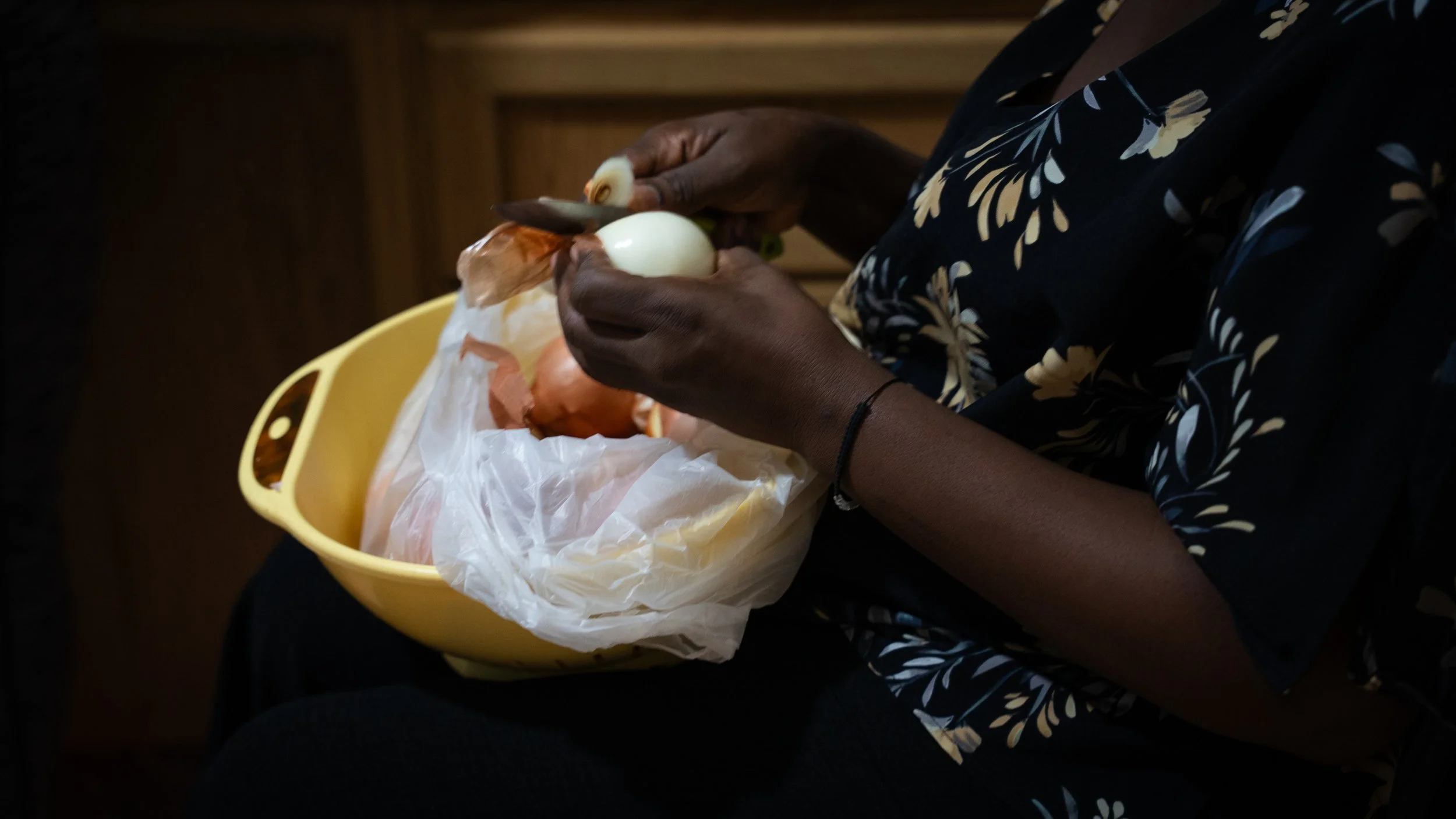
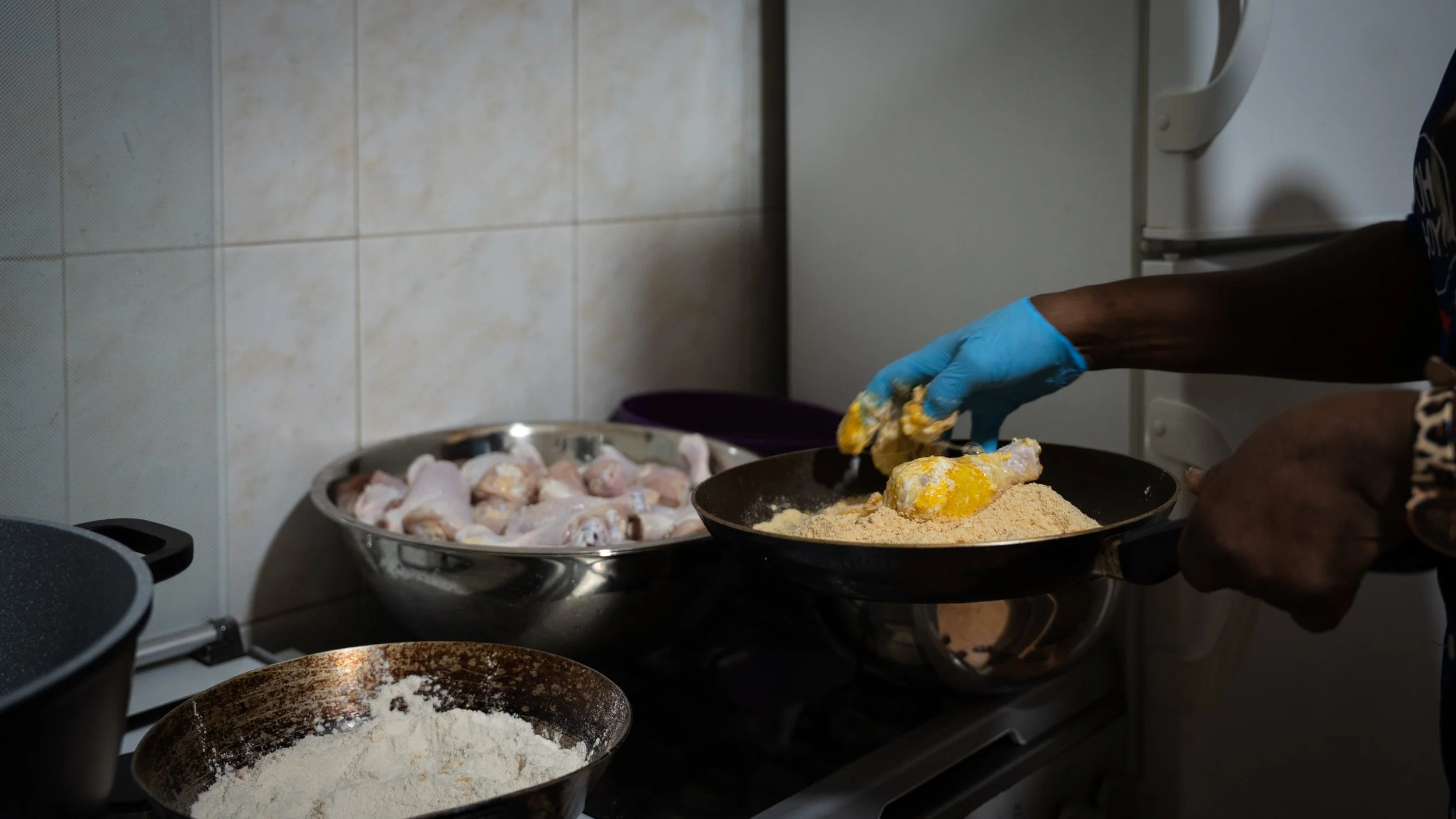
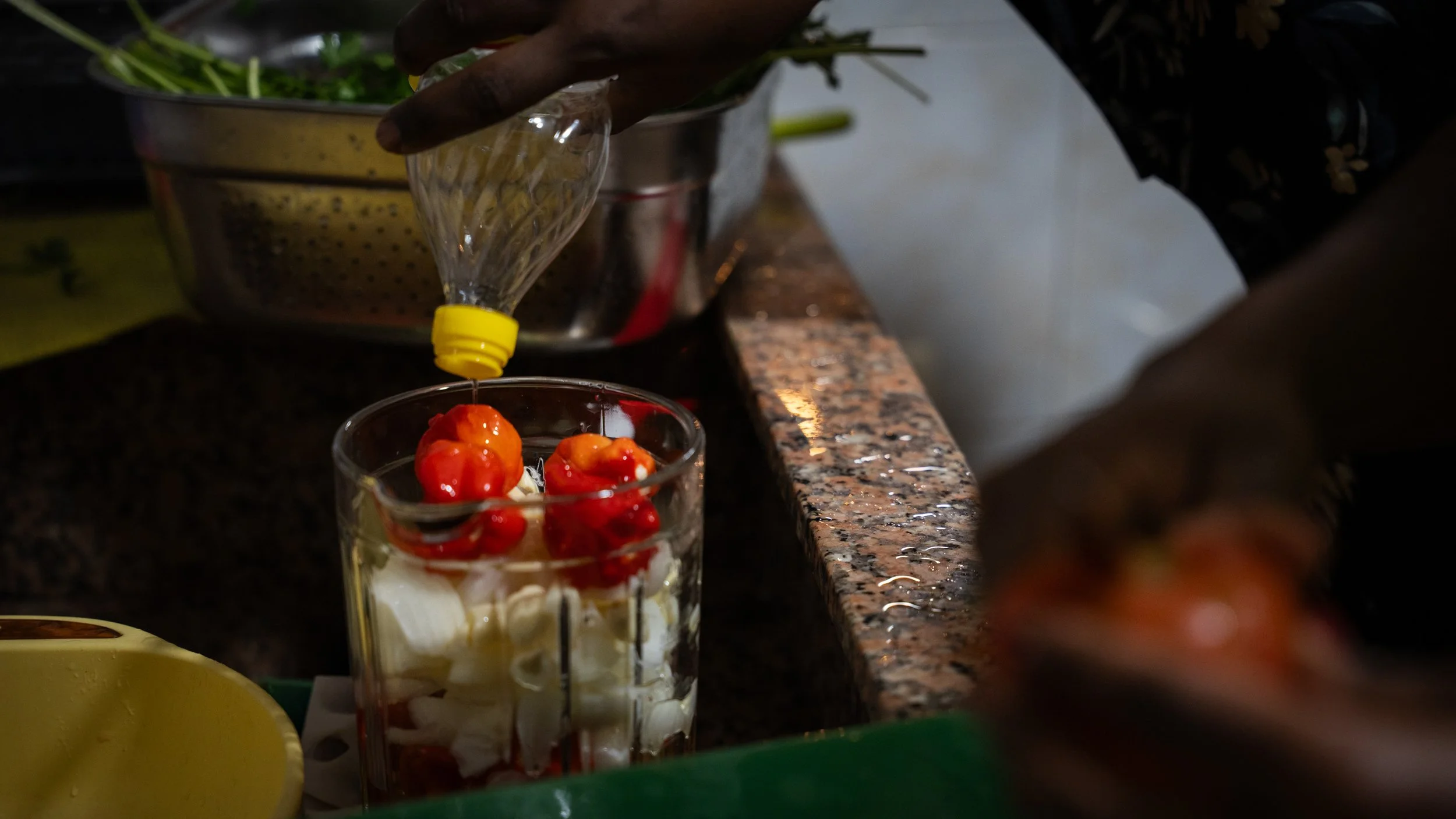
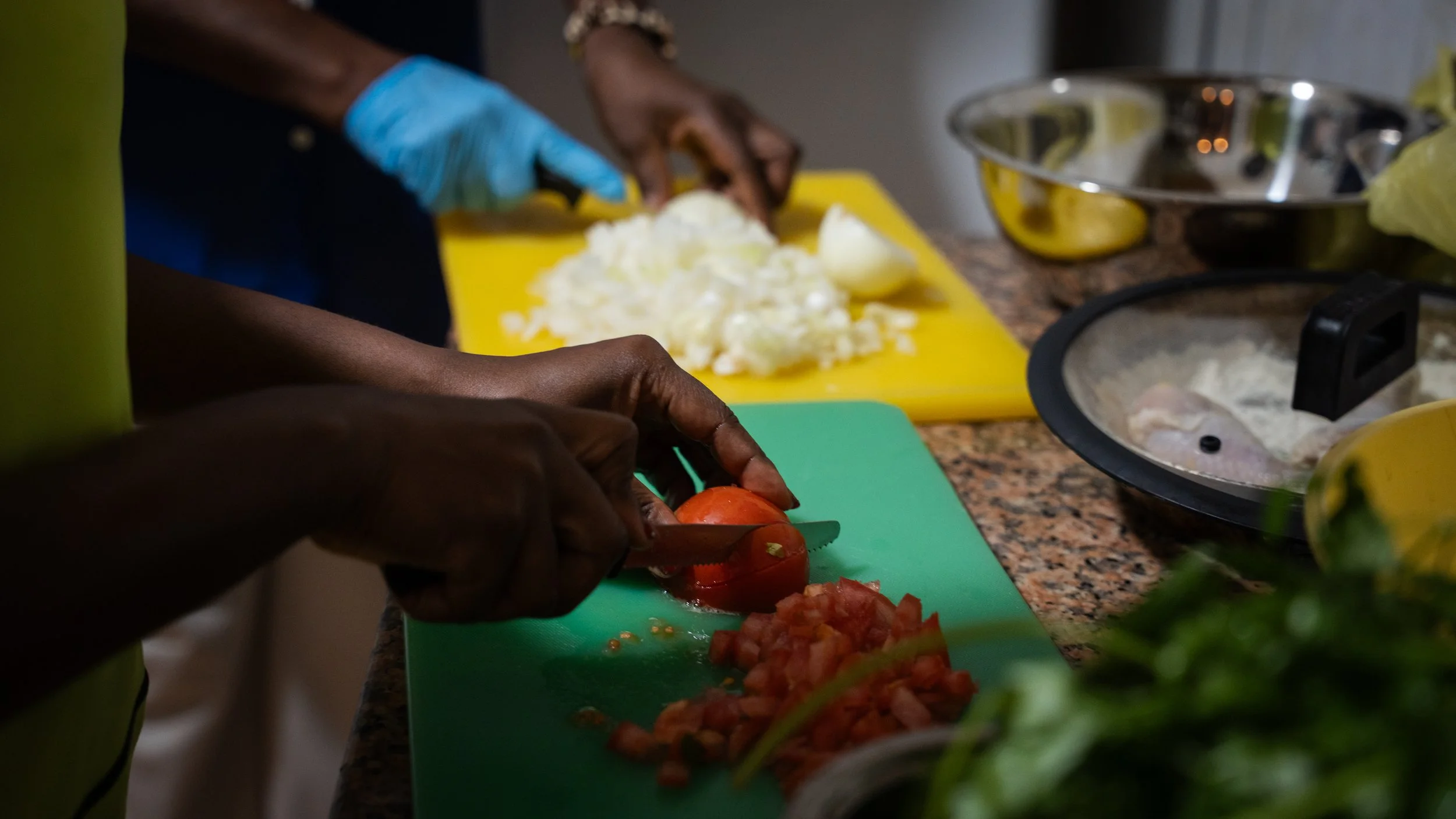
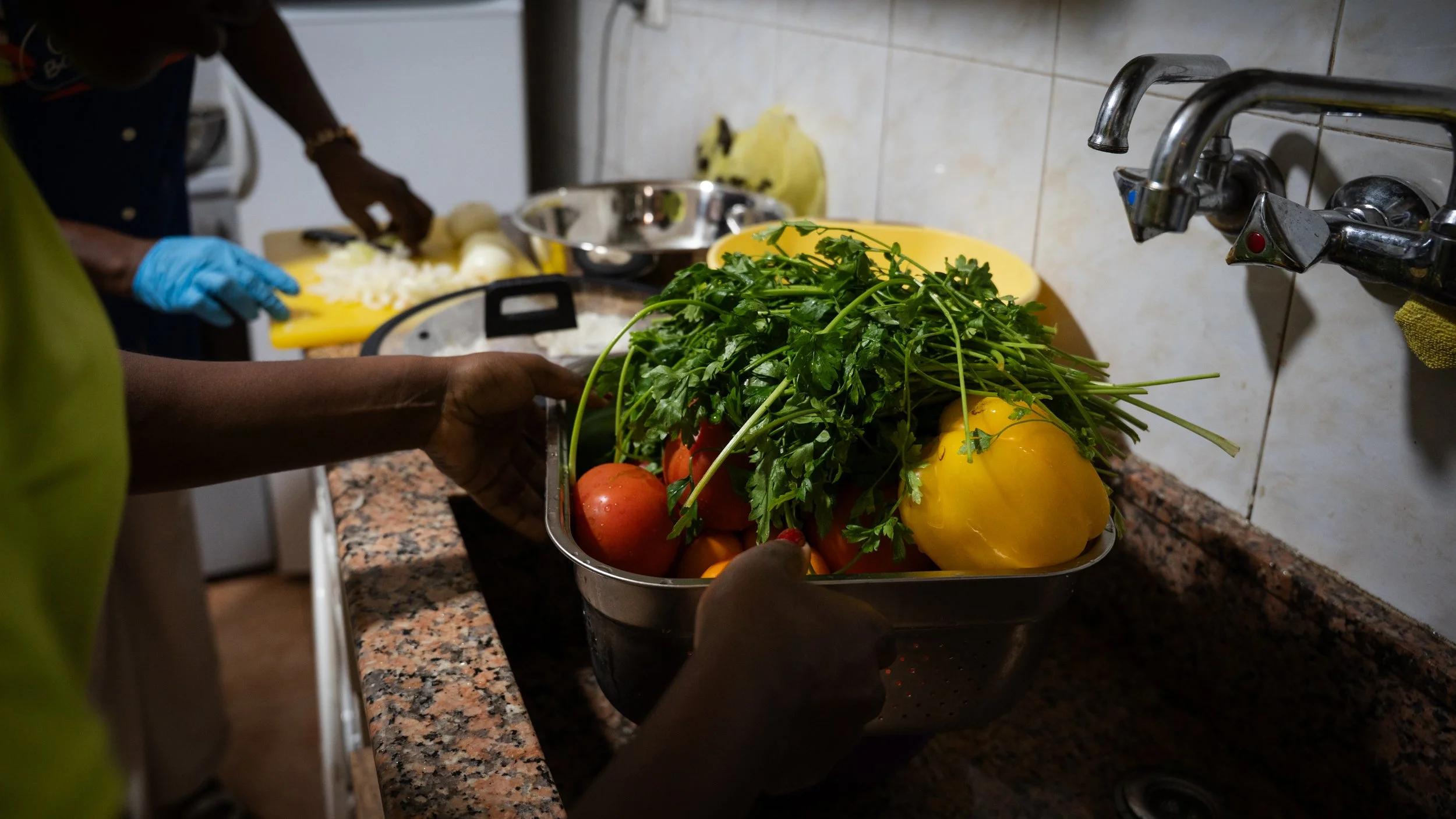
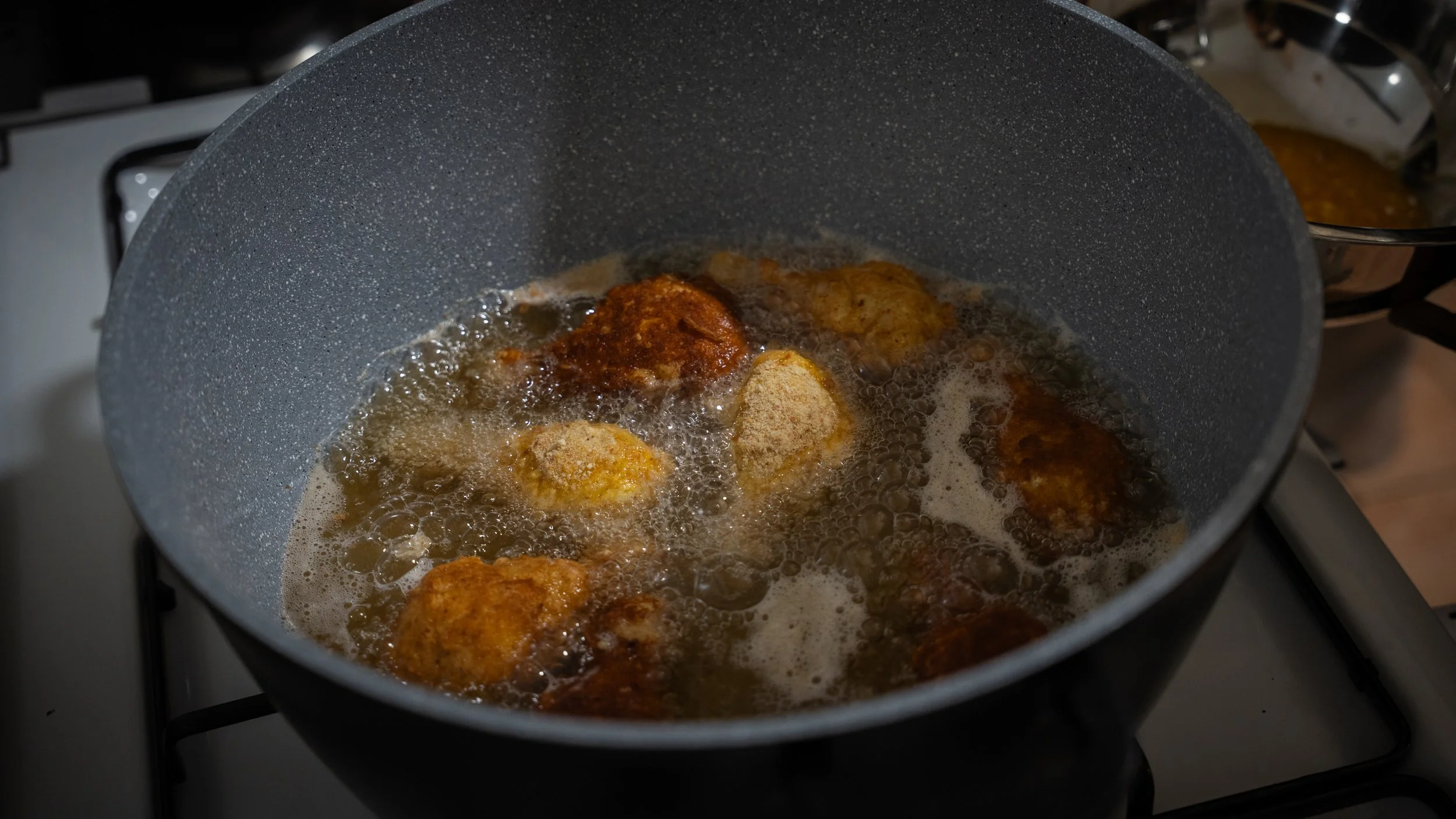
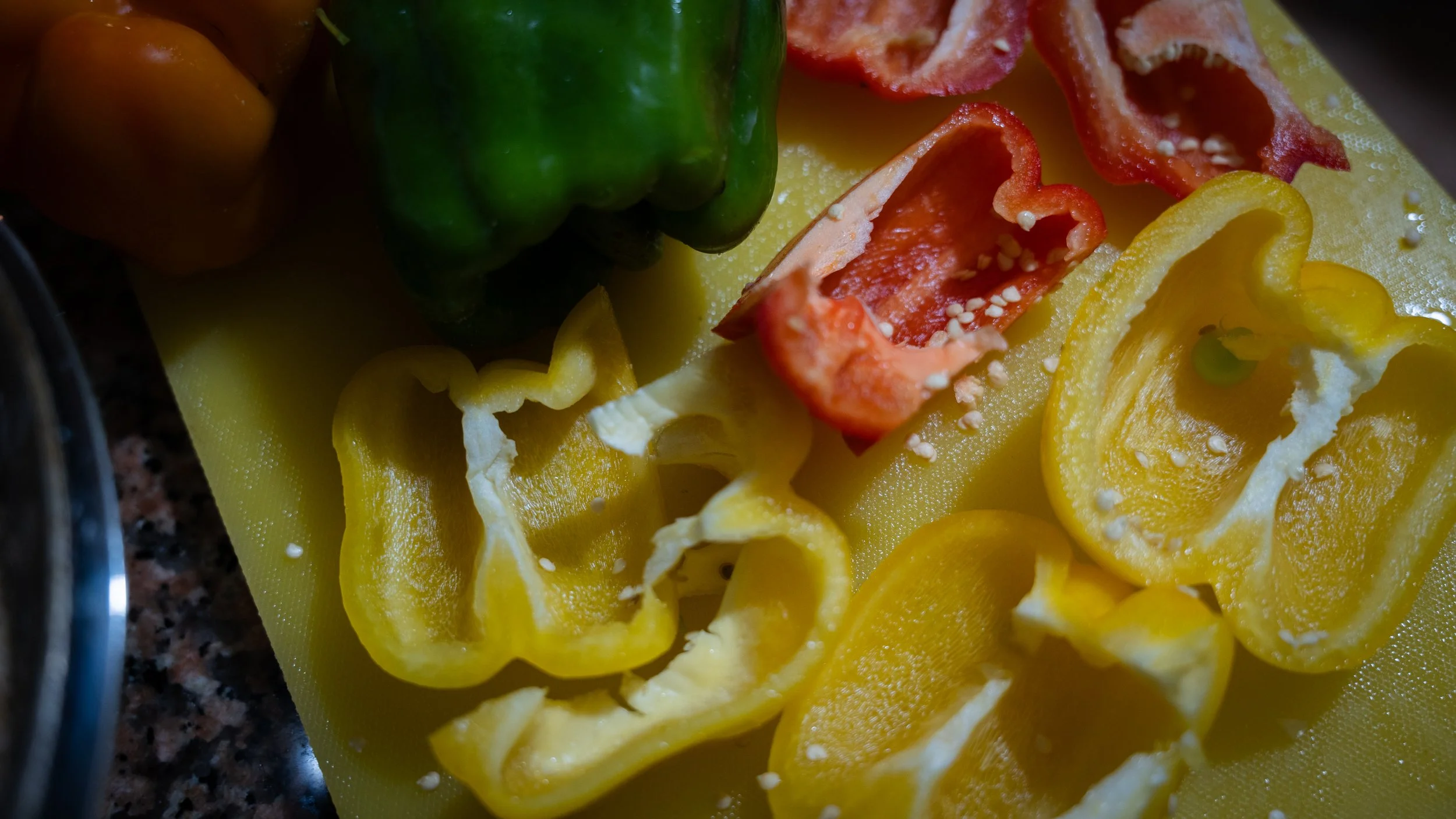
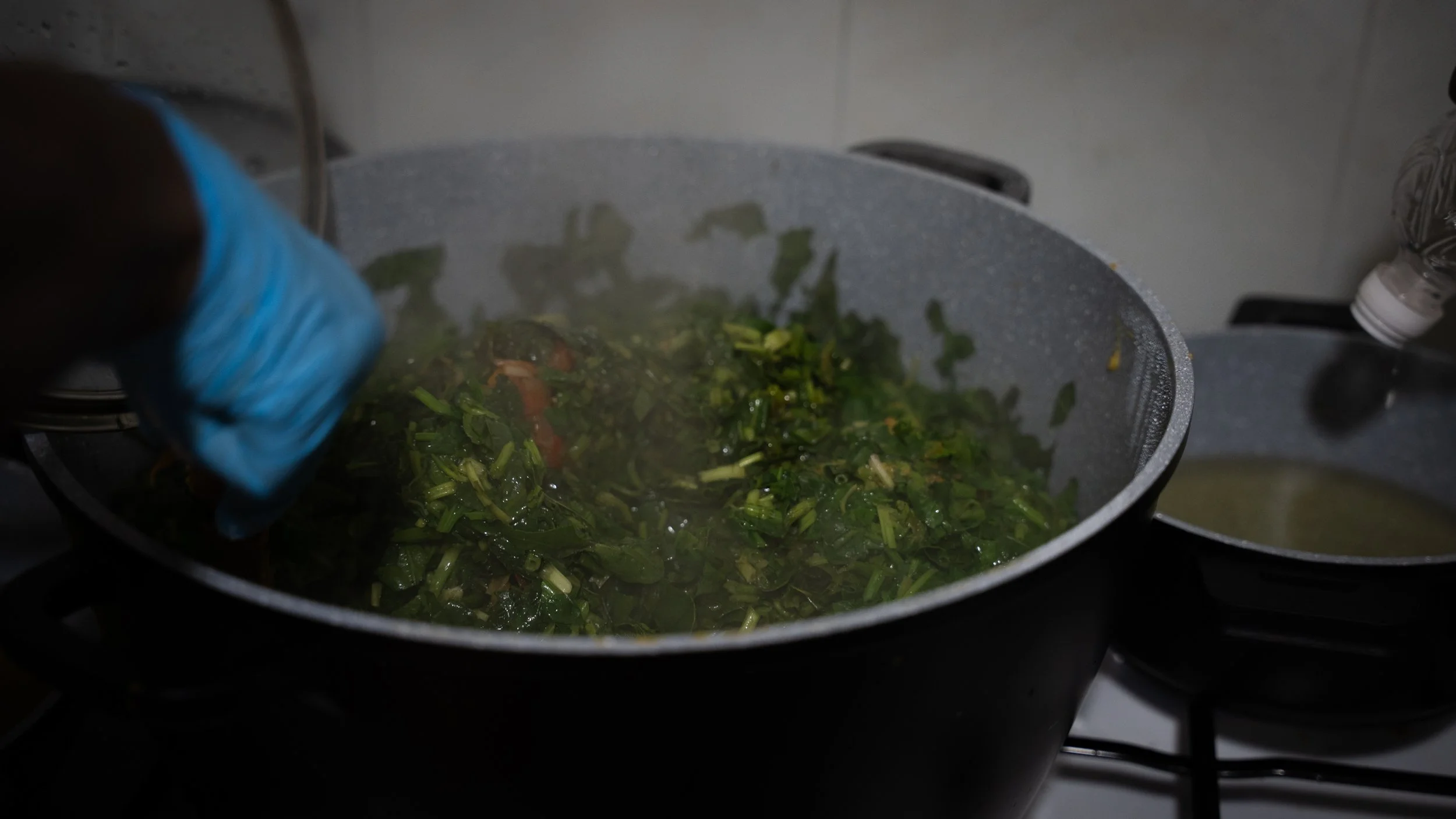
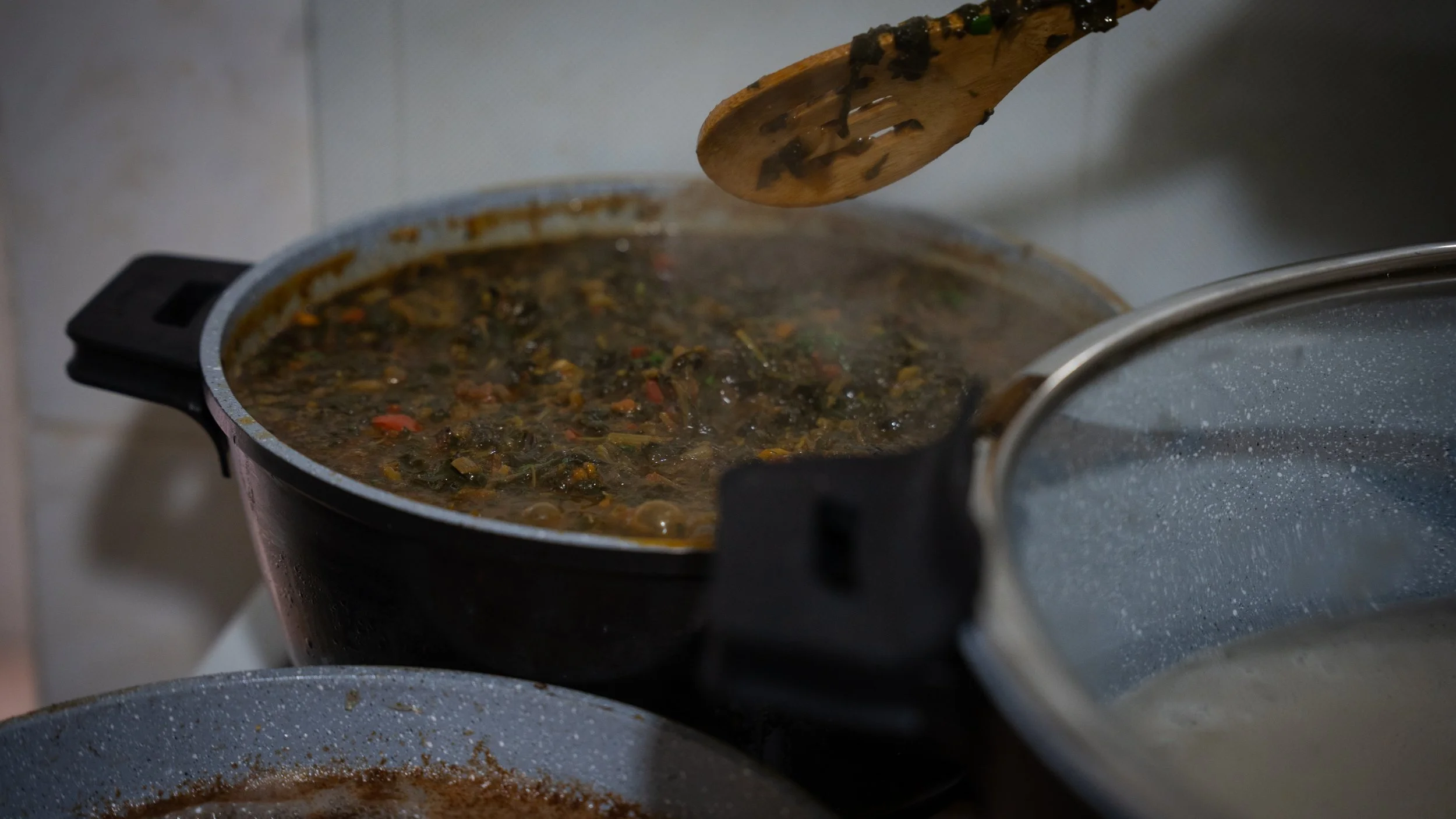
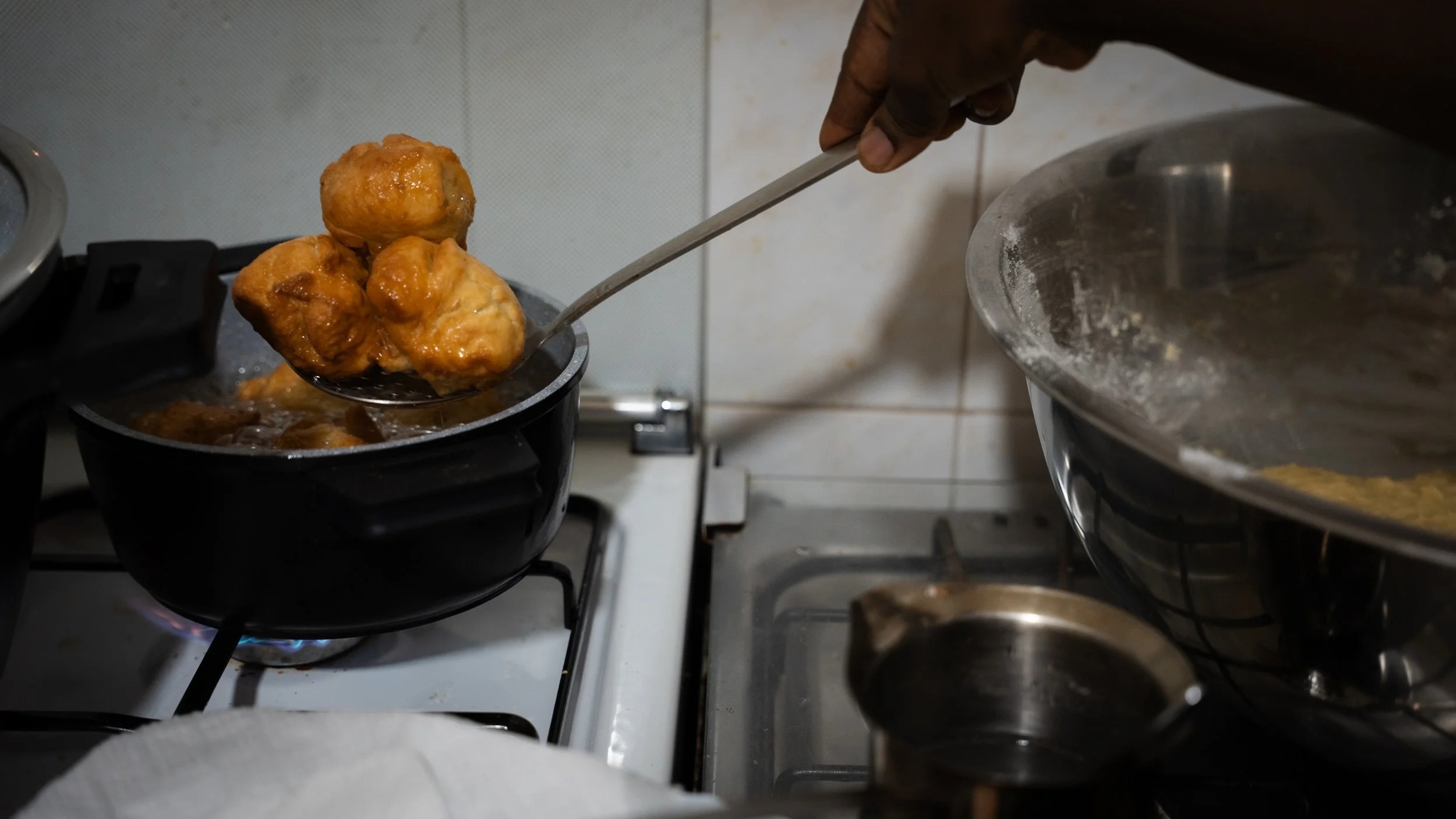
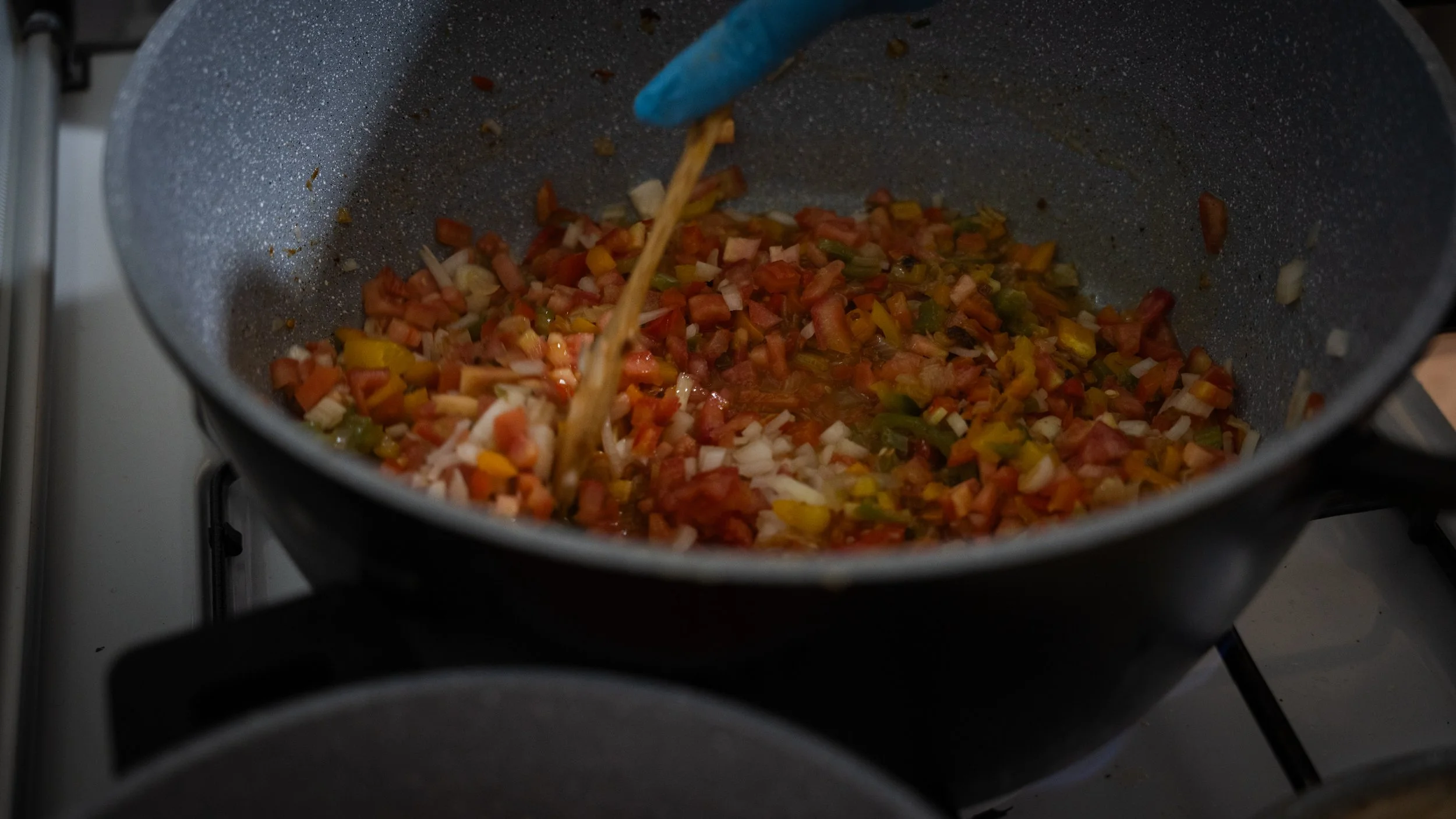
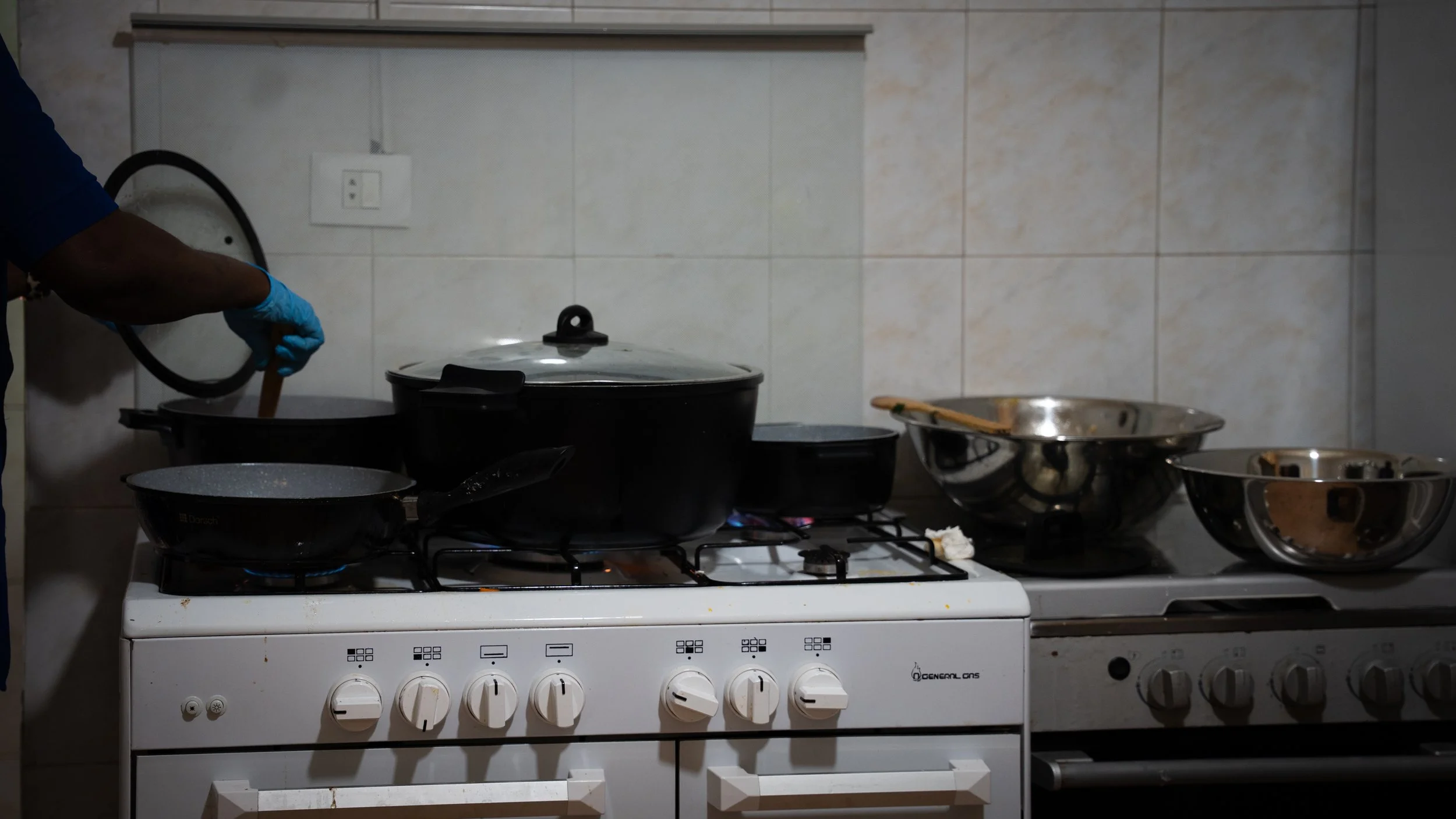
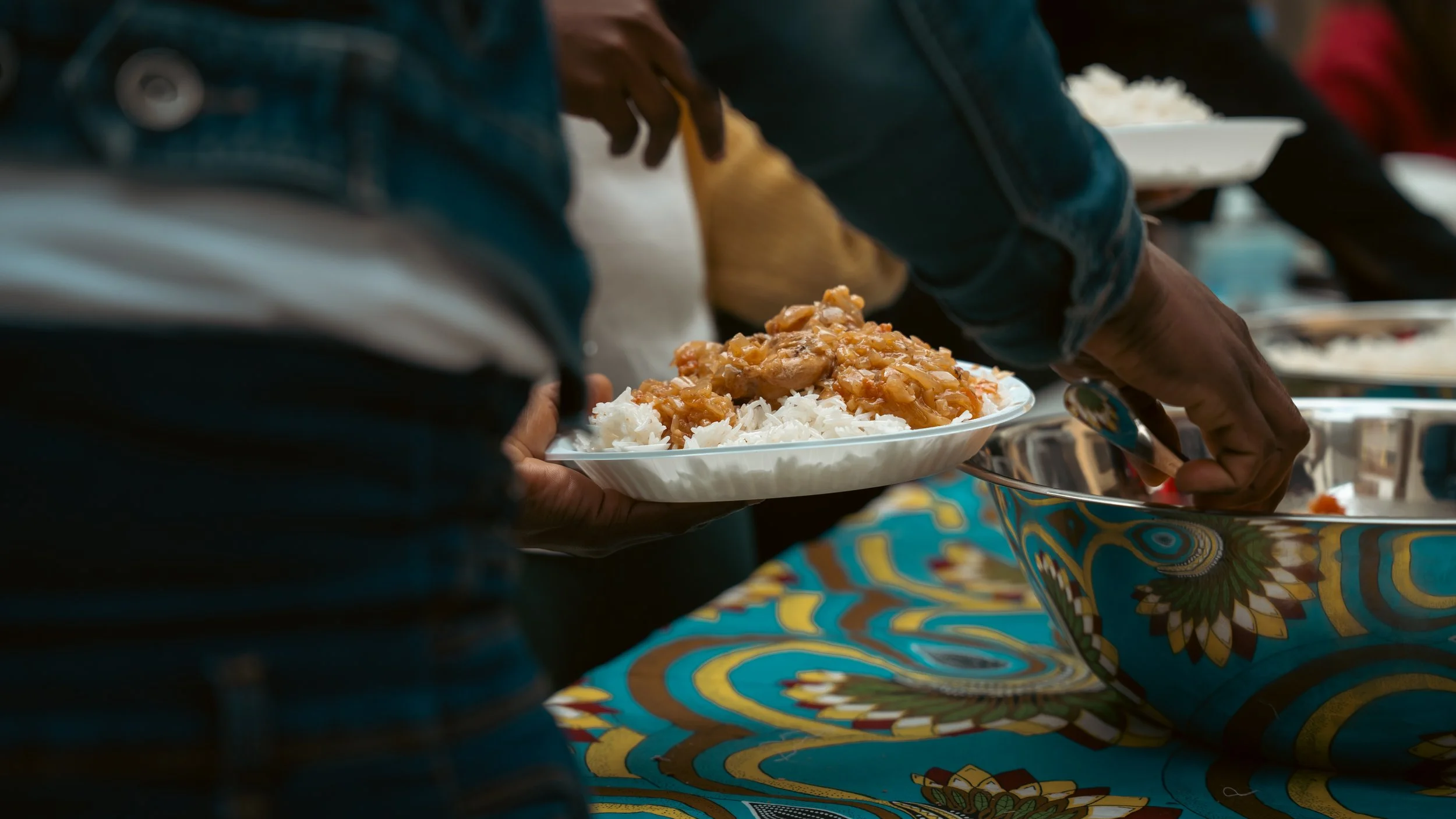
At 8am, the kitchen belongs to three women. Each Sunday a new trio takes its turn as chefs and hosts, choosing a dish from home and teaching it to the two who cook beside them.
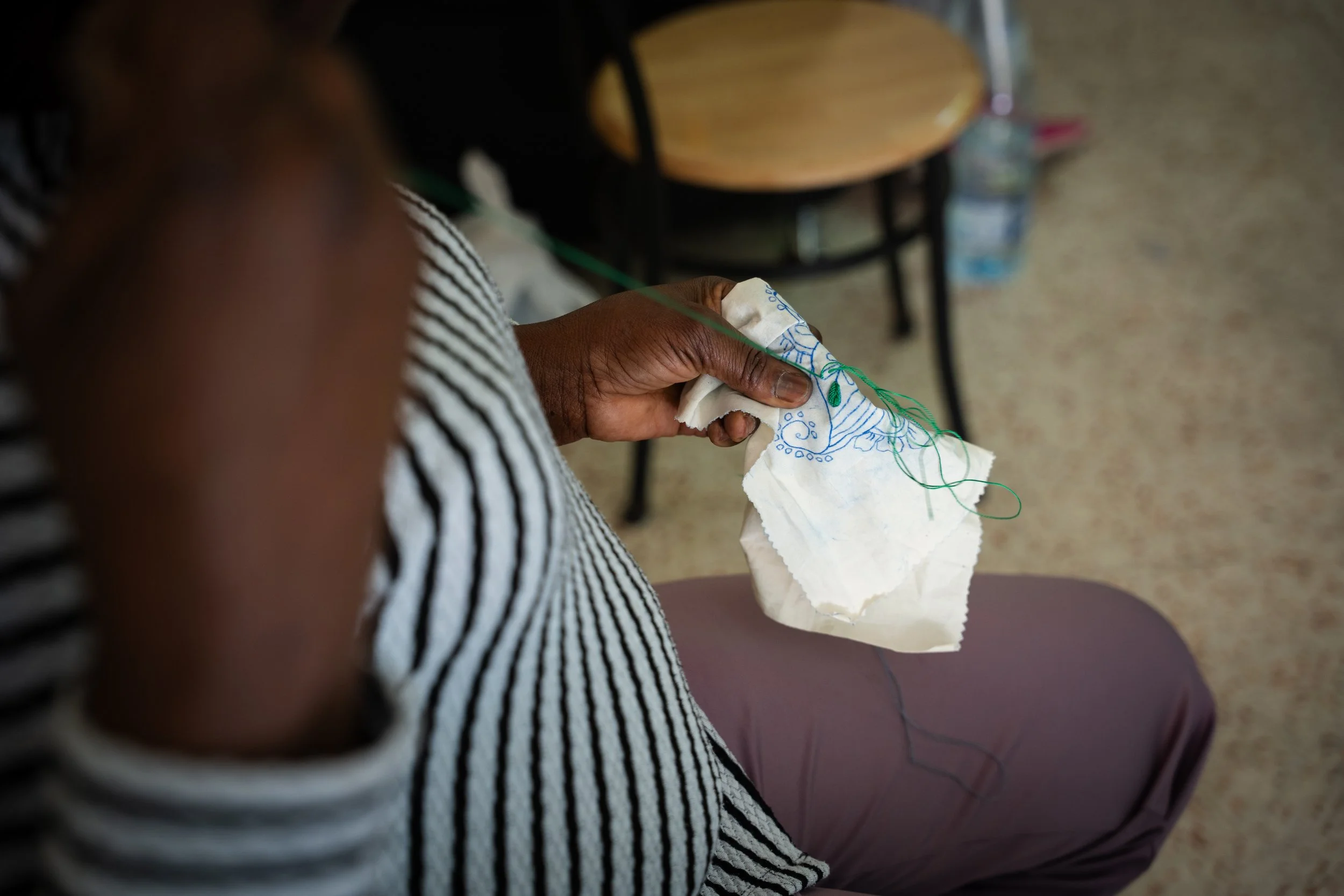
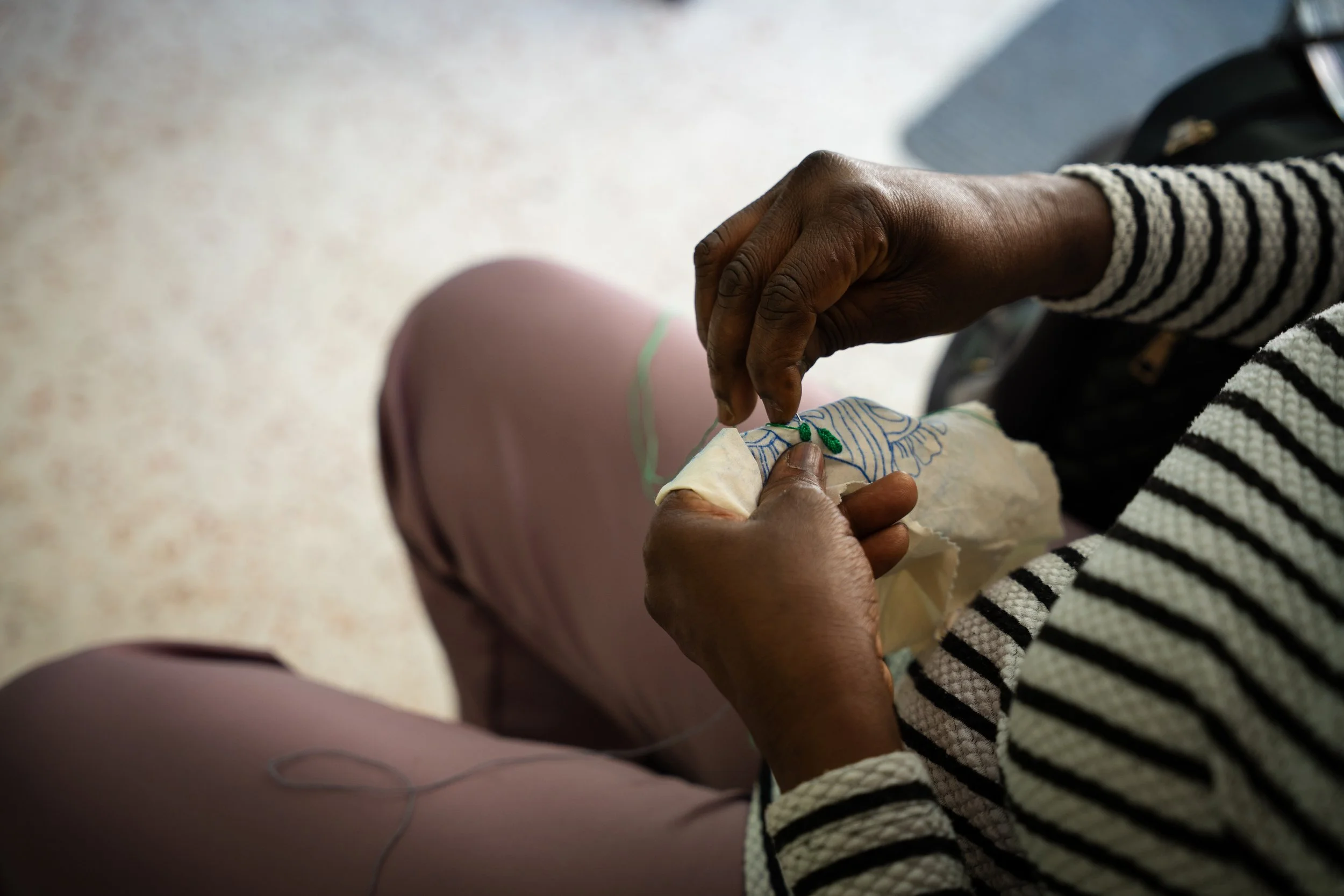
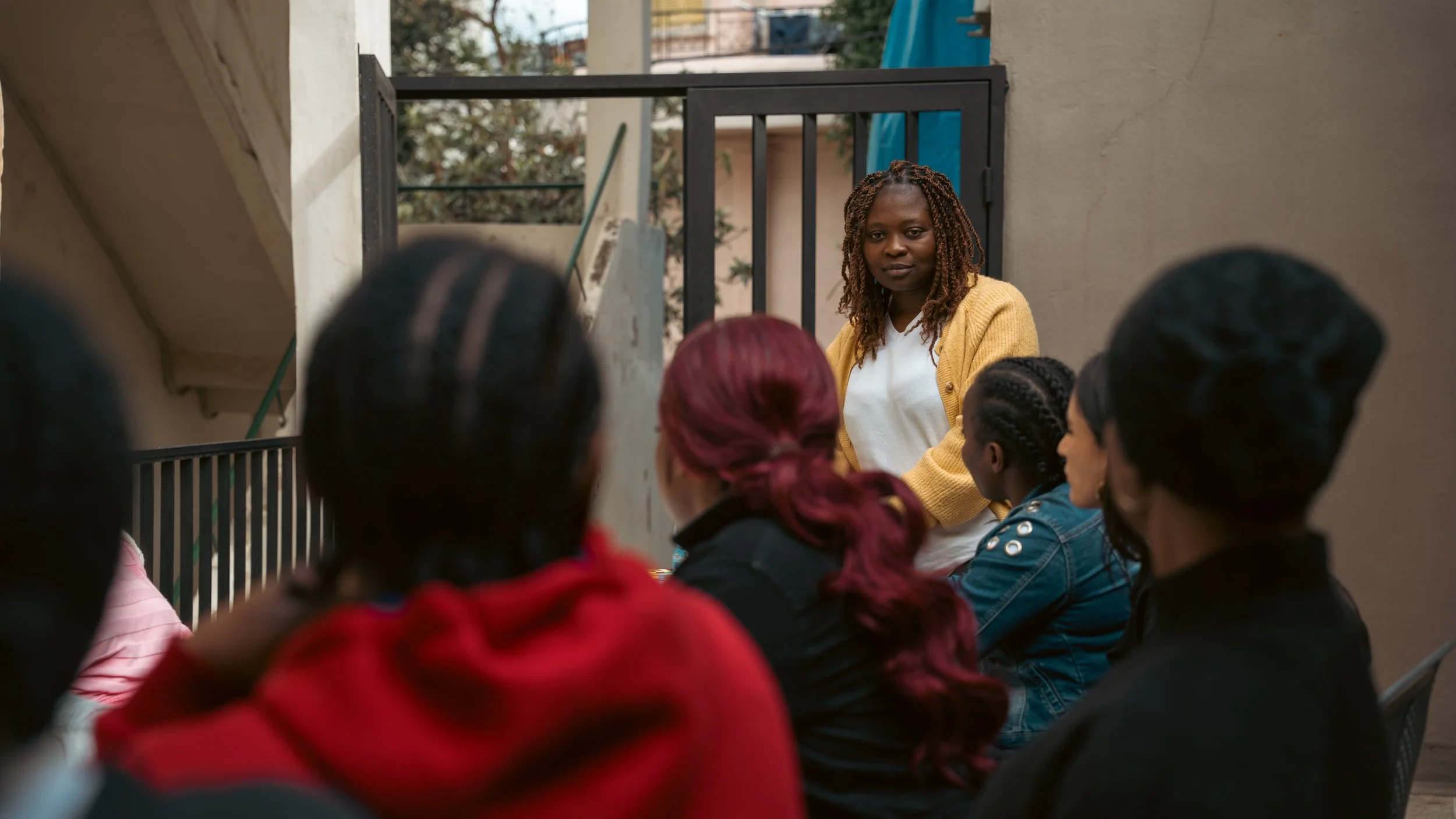
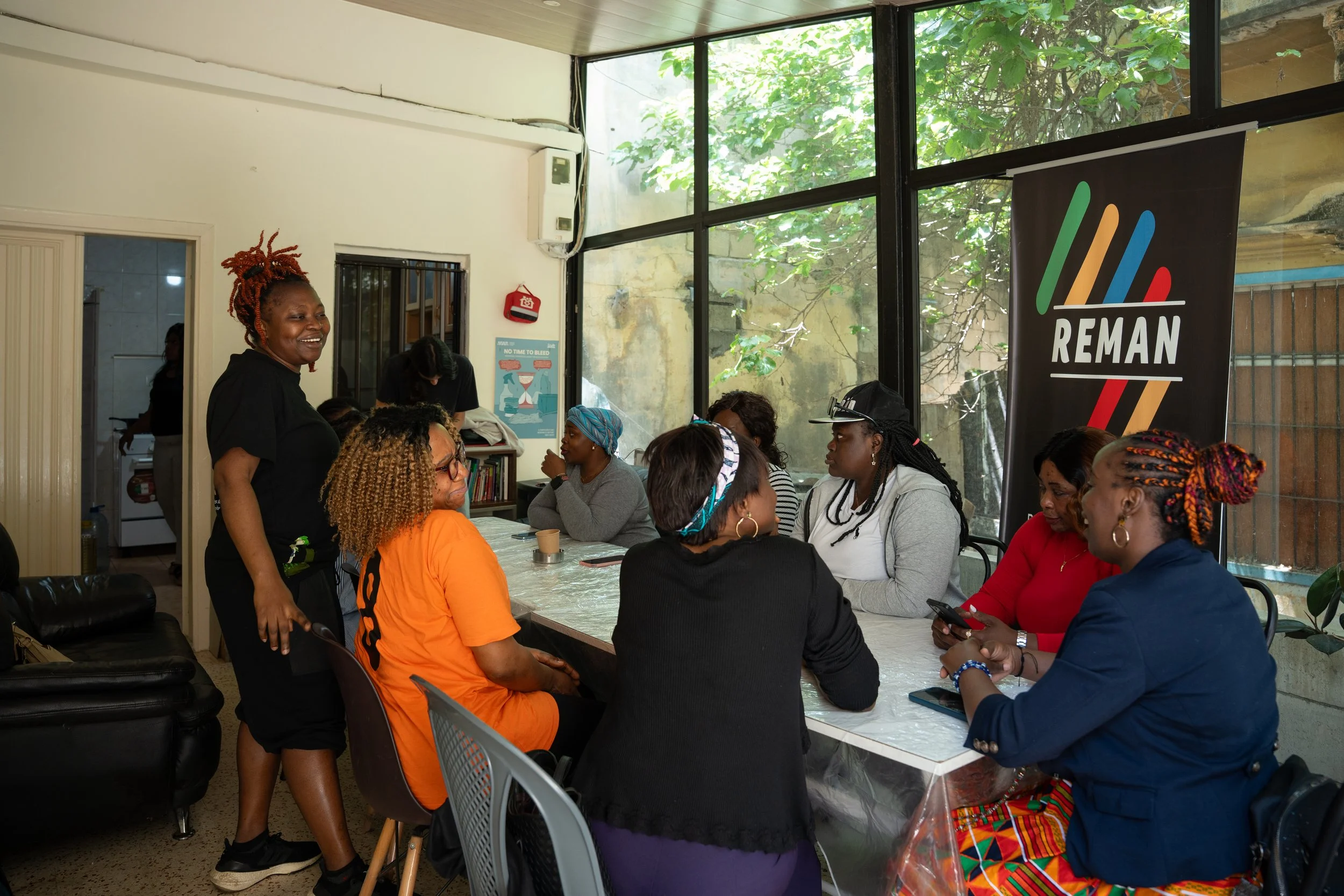
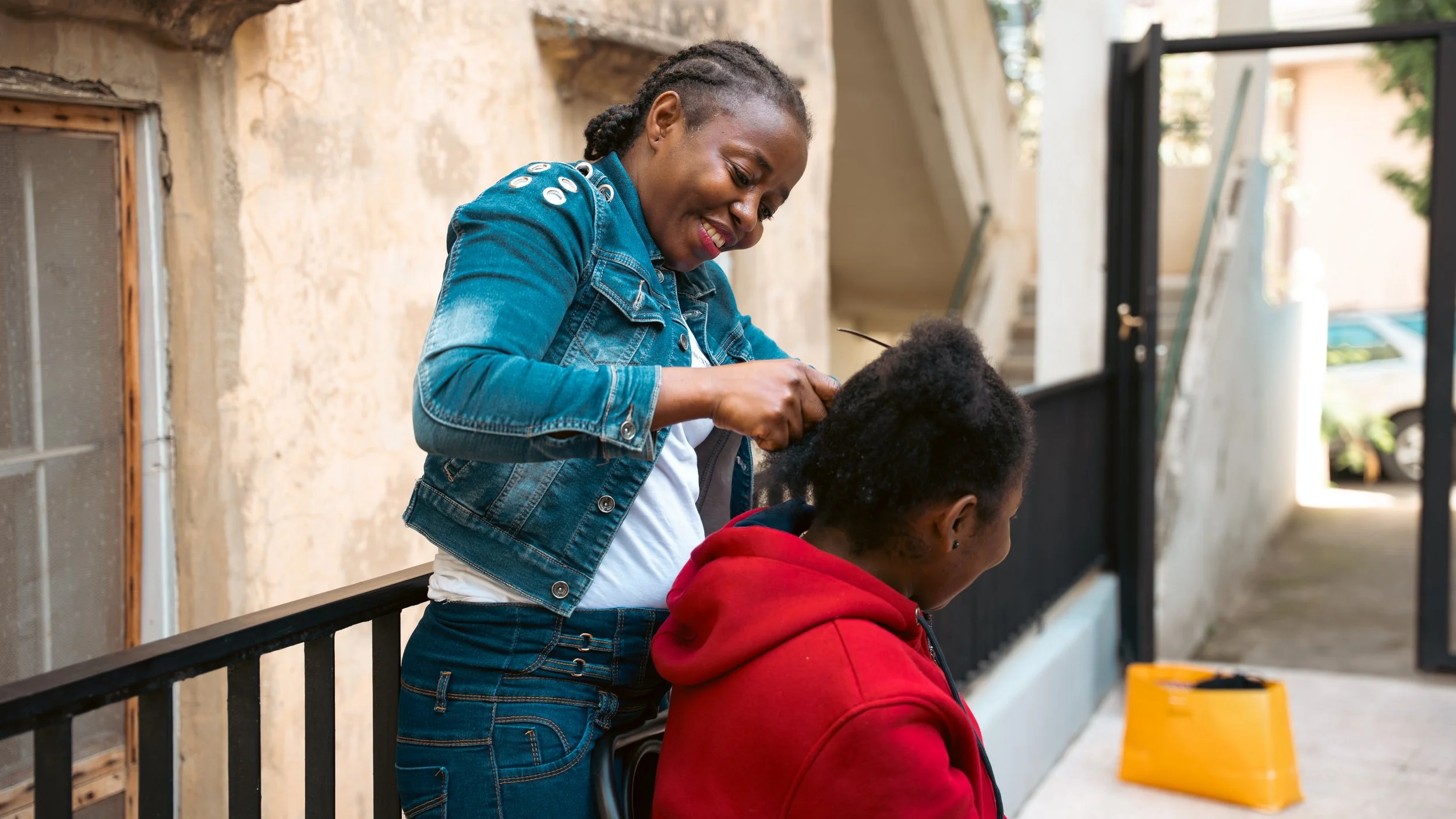
By 10am the rest of the group arrives, and the centre fills the way a family house fills on a Sunday. Pots and pans crowd the counters. Coffee moves from hand to hand. Someone is having her hair braided in the corner, someone else drifts into the kitchen to lift a lid and ask what is on the stove.
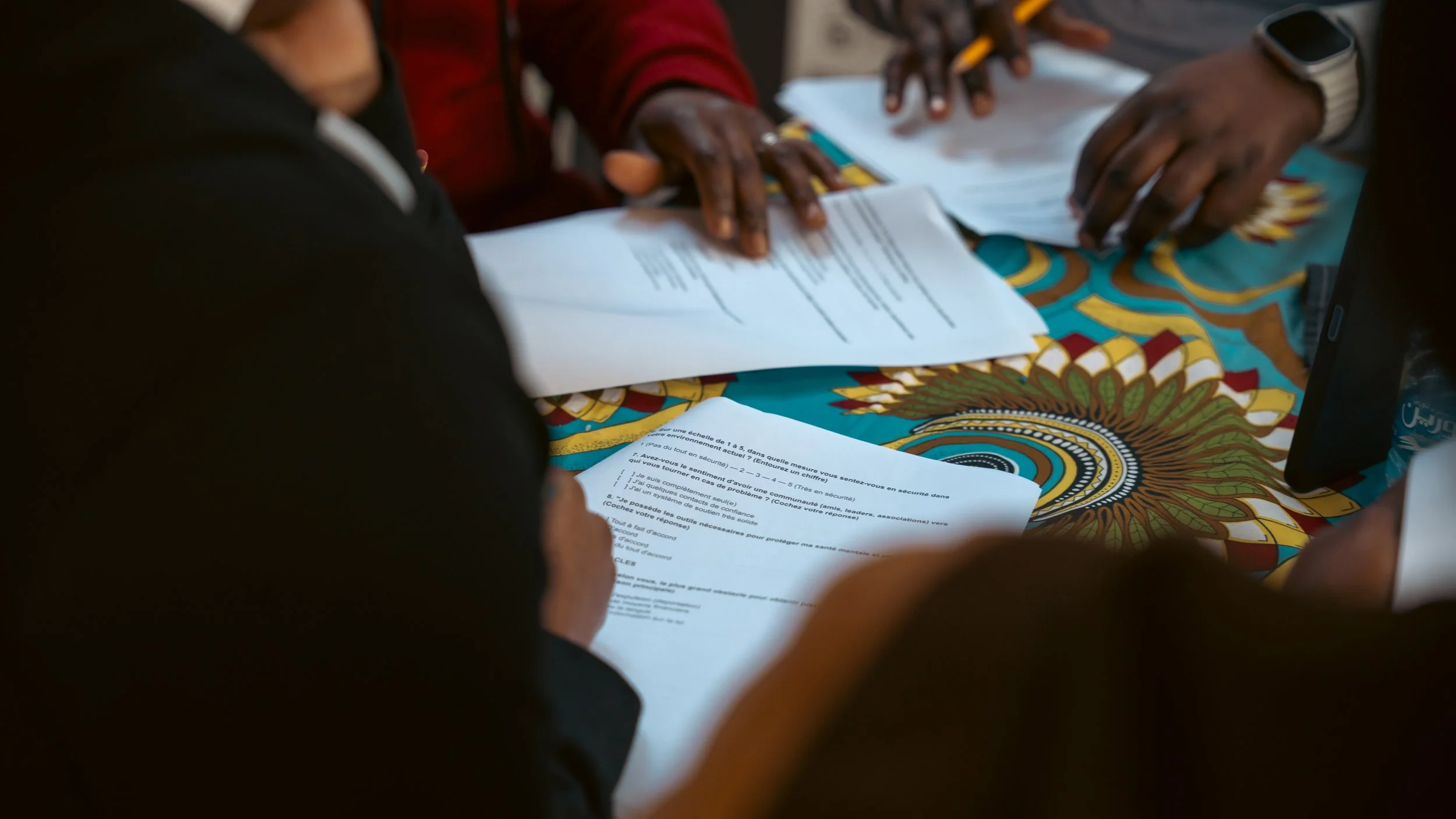
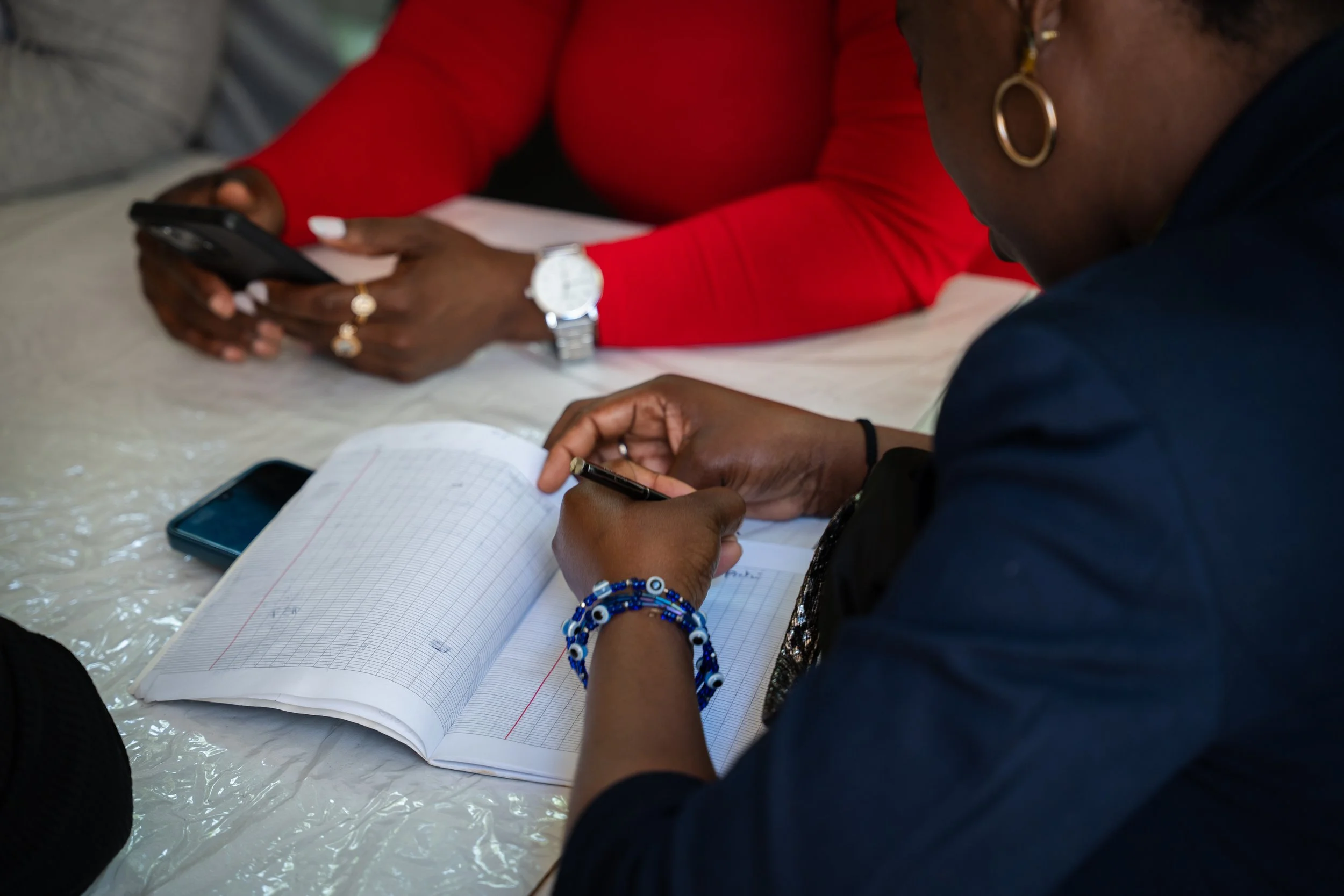
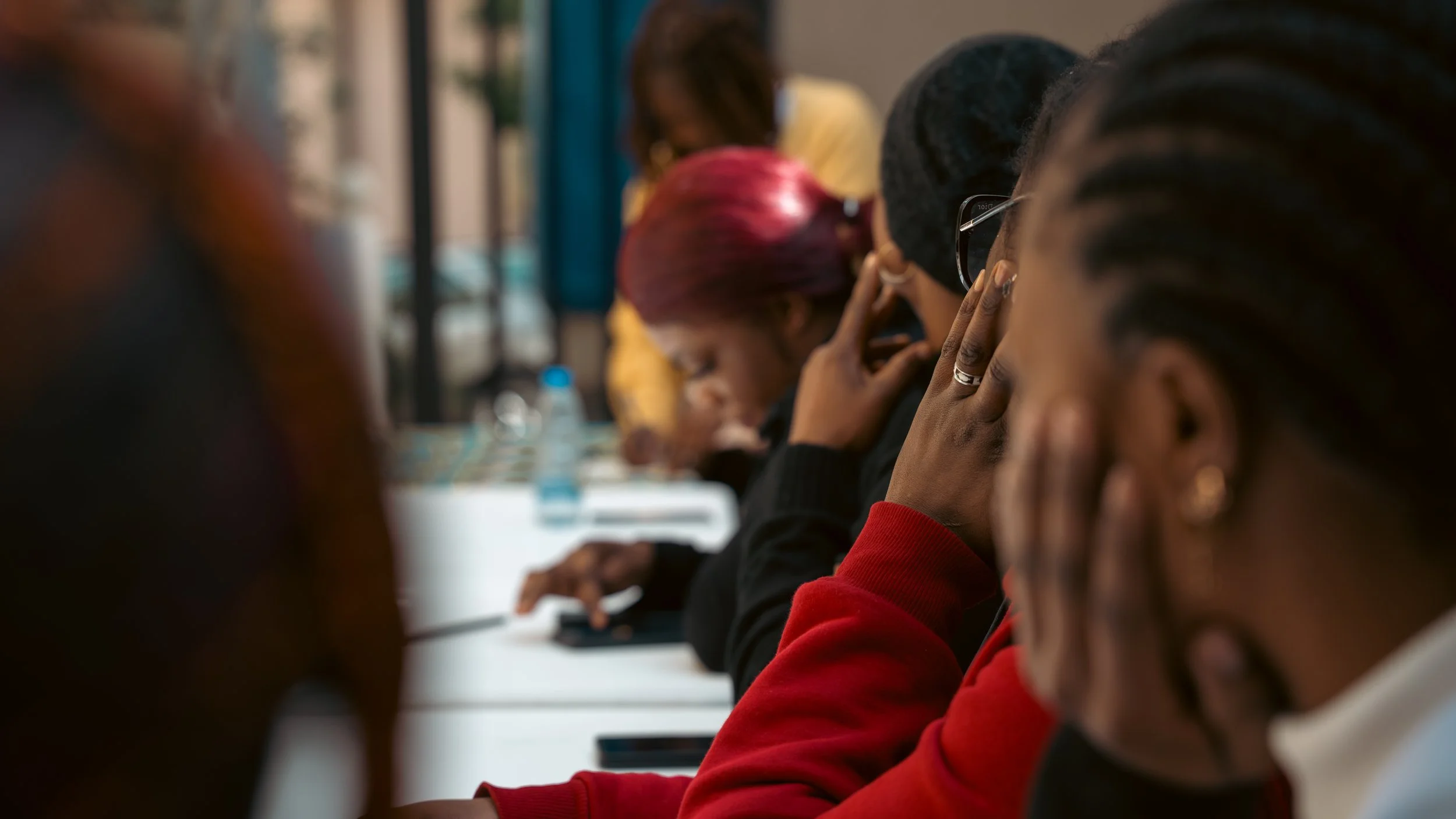
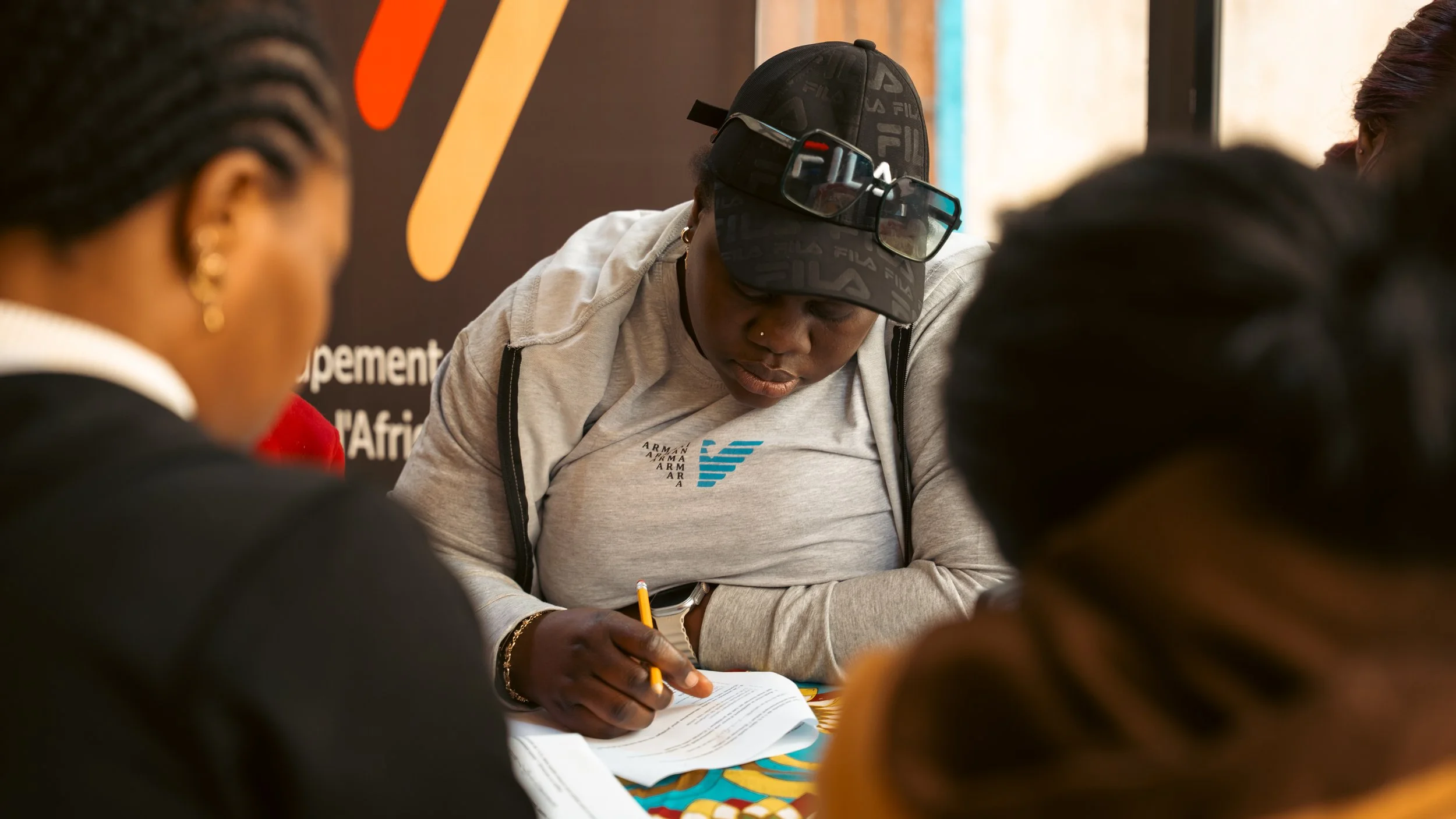
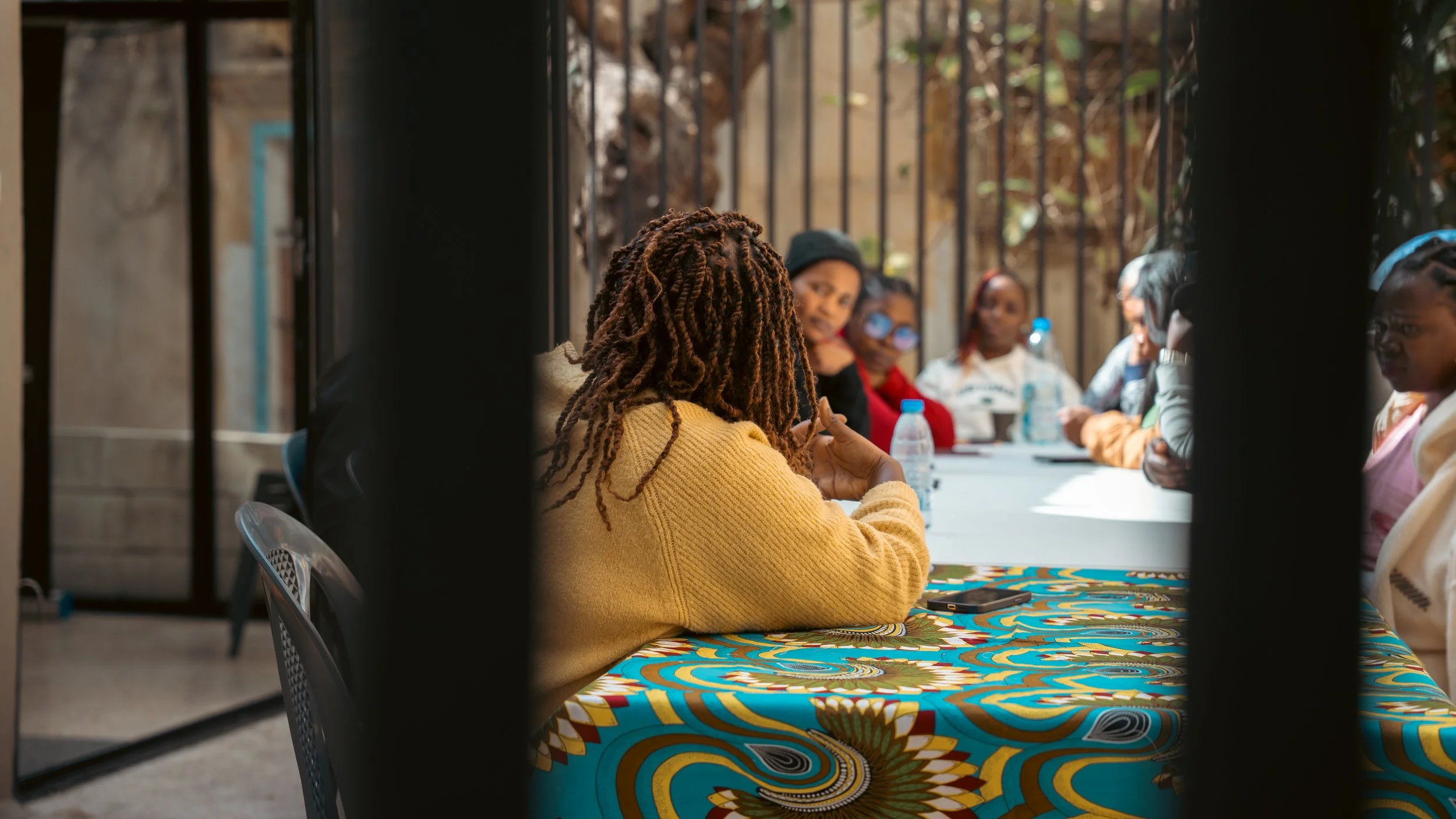
At noon, while the food rests, everyone moves into the session room. For two hours, in French, the women study the system that shapes their lives in Lebanon: what kafala is and how it came to be, what the unified contract says and what it leaves out, what the 2020 reform tried to change, and what can still change. We work with real clauses, real figures and real cases, so that every woman leaves knowing exactly where she stands.
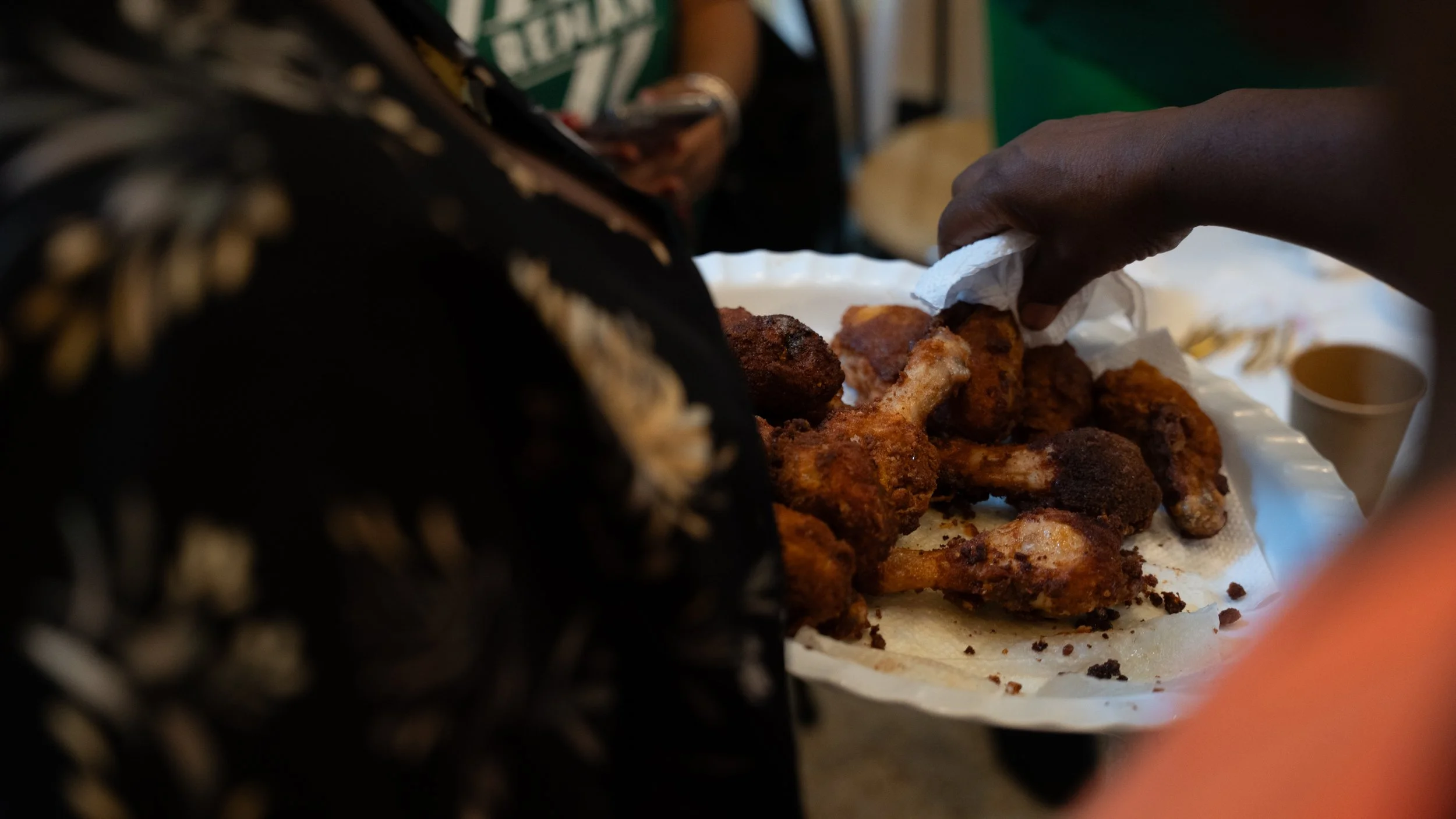
At 2pm the chefs present their dish, where it comes from and how it is made, and the whole room sits down to eat.
Femmes de Sel was piloted in 2026 by The Great Oven Lebanon with the support of the Mediterranean Women's Fund and Cuisine Sans Frontières.
Around the table
This year's group brings together women from Cameroon, Senegal, Burkina Faso and Benin. They arrived sharing a language and the same kind of work. Over the Sundays, they became something closer to family.
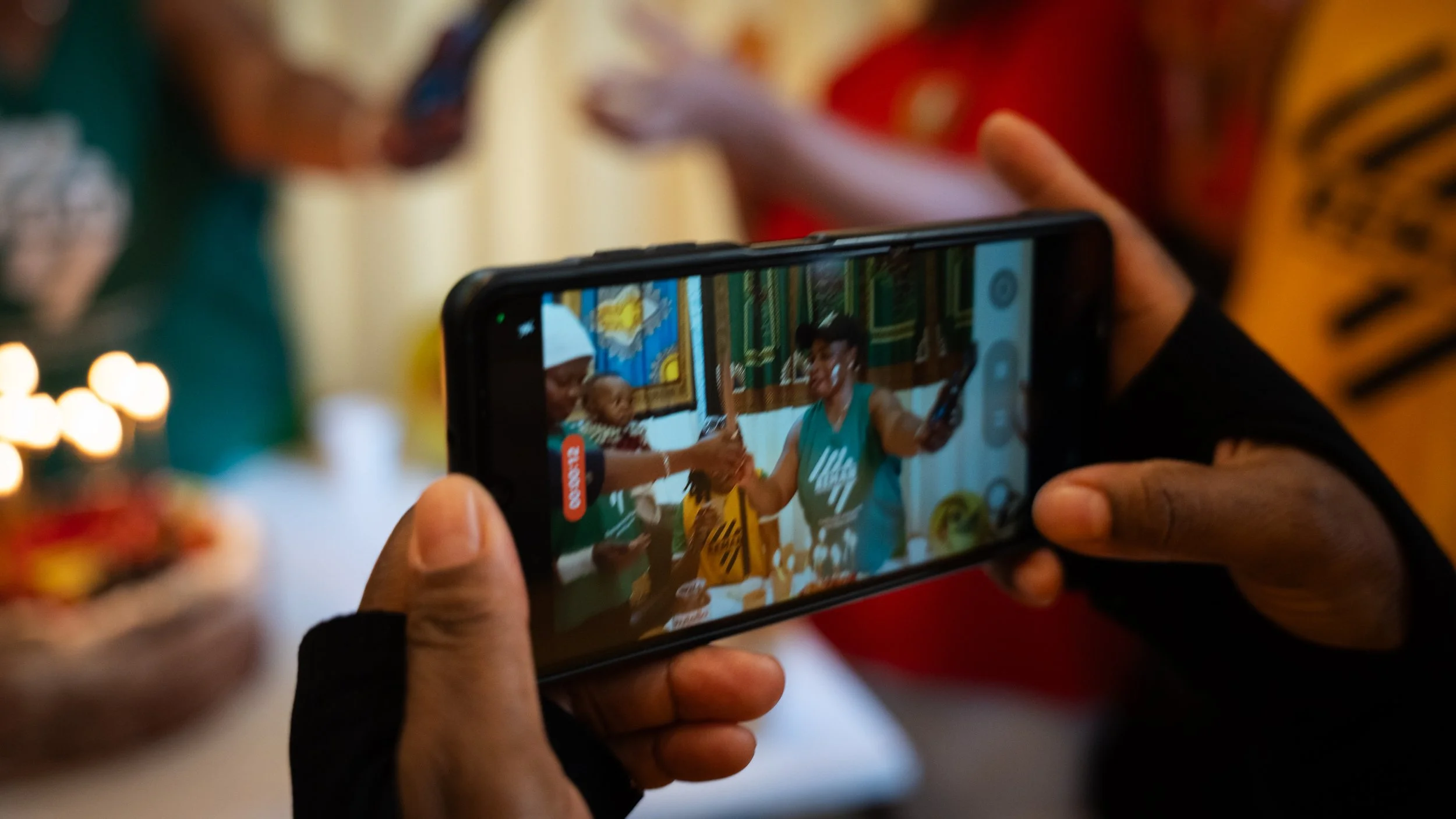
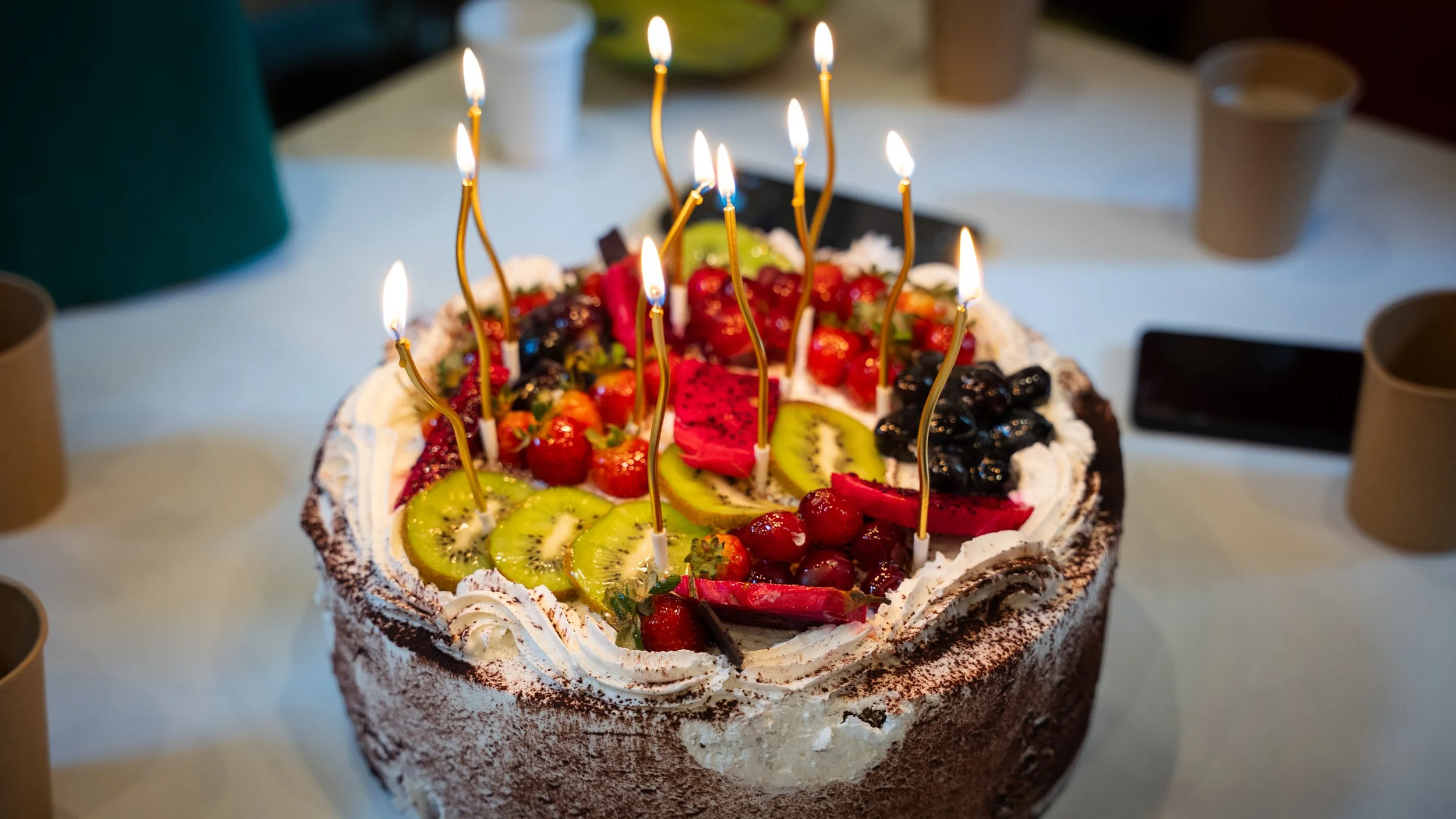
Birthdays are planned by everyone. And some dishes become legends. When one team cooked koki, a Cameroonian bean cake steamed in banana leaves, the group's WhatsApp lit up for days with praise and photos of leftovers, each woman stretching her share as long as she could. The women still call it l'affaire Koki.
What the sessions open up
In Arabic, kafala means to vouch for someone, to take them into your care. When one participant learned this, she said she felt the system had betrayed its own name as deeply as it betrays the women who live under it.
That is the work of Femmes de Sel: to give women the words, the facts and the circle of trust they need to name what is happening to them, and to imagine what could be different. Femmes de Sel are women who are essential, bound to one another, and unafraid to tell their own story.